Client meetings rarely go wrong for lack of ideas. They fail because presentation materials feel scattered, outdated, or inconsistent. When documents are poorly presented, they can reduce trust before the conversation even begins. This initial impression is often the make-or-break image for a client’s decision to seriously consider your proposal.
The easiest way to address this is with a structured business folder where all documents are sorted and have a purpose and structure. It establishes order, delineates meaning, and makes for a professional brand when it makes its appearance. Every bit of improvement in presentation will make a difference in your brand perception.
With this in mind , this article provides a detailed analysis of the roles business folders play in client impression, fostering brand uniformity, and enabling the presentation of information in a professional way.
1. Brand Identity Through Printed Presentation Tools
A business folder is often the first physical item a client connects with before any discussion even begins. That moment is more important to most businesses than is realized. A professional look is instantly established by intentional design elements such as a clean layout, balanced use of colors, and precise placement of the logo, all before verbal communication has a chance to connect.
The physical representation of a brand makes it seem more authentic. The folder will convey clarity and uniformity, indicating that the company values presentation. Each visual detail, from typography to final selection, emphasizes the brand’s impression in a competitive atmosphere.
That is complemented by the quality of the materials. Reliability and attention to detail are conveyed through a well-printed folder, while a weak or poorly aligned one can subtly undermine perceived reliability and attention to detail. These things are instantly apparent to your clients and create an immediate impression about the credibility of your business when it comes to print.
2. Client Perception In Sales Interactions
A lot of information can be packed into a very limited amount of time in sales or client meetings. Clients could be reading a proposal, financial summary, or product information all at once. A well-designed business folder allows things to be organized in a way that makes it easy to read, deliberate, and get to the point quickly, helping clients understand what is most important to them first.
Beyond organization, folders create a curated experience. Instead of receiving a pile of loose papers, clients interact with a single, cohesive package. This small detail is a big statement, showing that your business cares about clarity and strategic communication. This leads to a more relaxed, assured interaction.
Structured folders also reinforce subtle messages about your professionalism. If the documents are easily found and in an order that makes logical sense, clients will feel less “lost” and more trusting when reading the materials. This trust is a measure of credibility and demonstrates to the client that your team pays attention and manages every aspect of the client experience.
3. Design Consistency Across Brand Materials
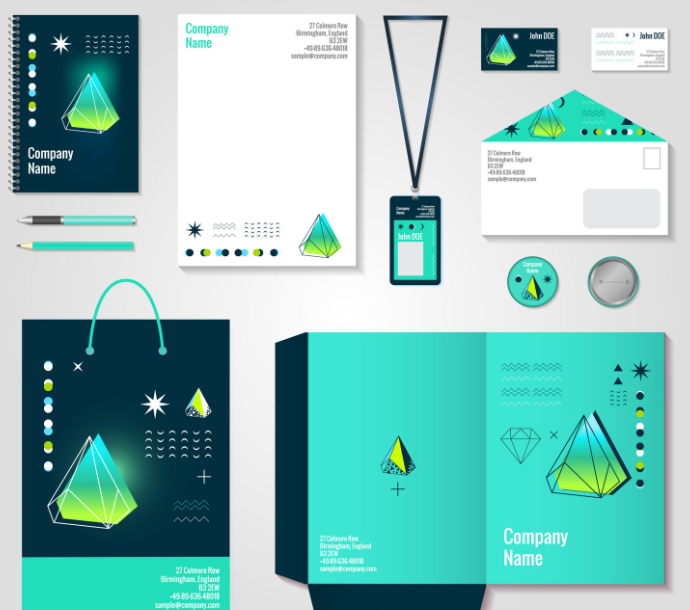
Consistent branding is very important for all marketing and corporate materials. An inconsistency in the folder, brochure, and business card sets a tone of inattention or disorganization, which can subtly affect client perception. Therefore, a cohesive and consistent design system for all printed assets is an excellent way to build trust and reinforce professionalism.
Logo, color schemes, and typeface should be consistent throughout all materials. By implementing such a system, consistency is ensured, professionalism is effectively communicated, and the brand image is built throughout the entire customer journey. Clients are more likely to see the organization as discreet, reliable, and attentive if visual components are tastefully aligned and thoughtfully presented.
Furthermore, the more they see the same visual identity repeatedly over time, the more they will recognize it. Branding psychology also shows that visual repetition increases recall and trust. Clients start to recognize your design palette as trustworthy, professional and detailed – every meeting, every presentation is more effective.
4. Material Quality And Tactile Experience Value

The tactile nature of a business folder can be undervalued but very effective. Your brand’s reliability and professionalism are subconsciously influenced by the cardstock weight, lamination finish, and folder stiffness.
Moreover, the product’s perceived value and feel are also affected by tactile experiences. Taking the time—even briefly—to handle a quality folder can make a lasting impression, demonstrating attention to detail and fostering client confidence.
From soft-touch coatings to foil stamping and embossed logos, these techniques add more than just visual appeal, as they also provide sensory cues. High-quality folders elevate the product beyond simply being a container to a tool which improves perception and engagement.
5. Professional Use In Industry Communication
Different industries rely on printed folders for specific purposes, but all share a need for organization and clarity. Financial services firms use folders for client onboarding and compliance documents. Legal professionals organize case files and client records. Marketing and sales teams curate proposals, presentations, and promotional materials.
All these industries benefit from folders that present information clearly and efficiently. Structured folders help clients navigate dense content, preventing confusion and reinforcing your message. Properly organized materials demonstrate preparedness and care.
Over time, consistent use of high-quality folders strengthens brand recognition and client trust. They serve as a visual reminder of reliability and quality, which is especially important in industries where credibility matters most.
Conclusion
High-quality business folders are more than functional tools—they are strategic assets that shape client perception and reinforce brand professionalism. When design, materials, and structure align, clients experience a polished, organized, and memorable presentation.
For businesses looking to improve client interactions immediately, start by reviewing all printed materials. Ensure folders, brochures, and business cards are consistent, durable, and thoughtfully designed. Investing in these details strengthens credibility and leaves a lasting impression long before any words are spoken.