Owning residential rentals is the goal for many aspiring real estate investors. You get extra income, rising property values, tenants helping pay the mortgage. And for a while, it can absolutely work well, especially for newer investors who are looking to start building confidence and experience.
But after some time, some investors start realising how much work goes into keeping everything moving. Repairs, tenant turnover, late-night calls, maintenance problems. And at a certain point, the idea of scaling up with even more houses starts feeling less exciting and a lot more draining.
Sooner or later, people will start looking at other asset classes and wondering if there’s a more efficient way to grow wealth without adding even more stress. And that’s when people start considering the idea of industrial real estate investments. So let’s t ake a look at what that means.
When residential investing starts to feel exhausting
A lot of people get into property investing through residential homes because it feels familiar to them. After all, most investors understand houses to some degree. They’ve lived in them, rented them, maybe renovated one before.
But once multiple properties enter the picture, the workload can become surprisingly rough. Managing different tenants, handling repairs across several locations, and coordinating contractors starts eating up time quickly.
That’s one reason more investors are looking at industrial real estate instead. The dynamic is completely different. Industrial tenants are usually businesses operating warehouses, logistics spaces, or commercial units. They often treat the property more professionally because the building directly affects their business operations. That alone can remove a lot of the emotional friction residential landlords deal with constantly.
The growing demand behind warehouses and industrial spaces
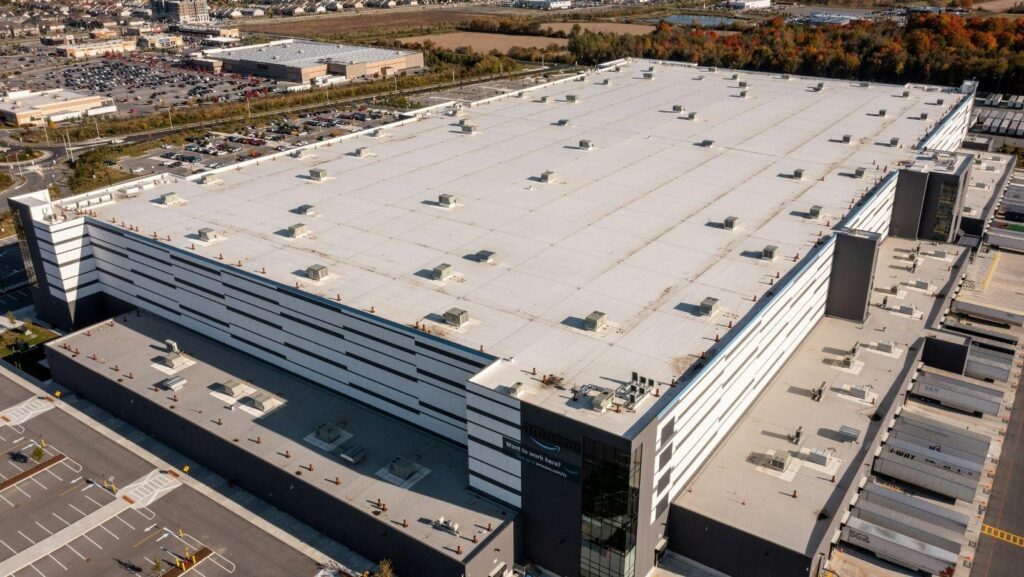
Consumer behaviour has changed a lot over the last several years. Online shopping, delivery expectations, storage demand, and logistics infrastructure have all exploded. Every package sitting on someone’s doorstep started inside a warehouse somewhere. That’s why industrial spaces continue attracting investor attention.
A lot of these changes are actually a part of broader smarter investment trends where investors focus less on appearance and more on functionality. Industrial buildings may not feel glamorous compared to luxury apartments or vacation homes, but they serve a very practical role in the economy. And because there’s such strong demand, investors often see industrial assets as more resilient long term.
Using tax strategies to transition without losing momentum
One thing that stops people from selling residential properties is the tax hit. After years of appreciation, many investors worry about losing a large portion of their gains immediately after selling. That’s why strategies like 1031 exchange opportunities become so important during transitions between property types.
A lot of investors don’t realise the IRS generally treats residential rentals and industrial buildings as like-kind properties. That means someone could potentially sell several residential homes and move that equity into one industrial property while deferring taxes. Instead of cashing out and resetting, the investment continues growing inside a new asset class. For many investors, that becomes the bridge between small-scale ownership and something more scalable for the long-term.
Source: Unsplash (CC0)
Why industrial leases appeal to long-term investors
Residential leases move surprisingly quickly. One-year agreements, constant renewals, turnover costs, cleaning, advertising vacancies. It creates a level of uncertainty. Industrial properties often work very differently, especially once investors start understanding lease terms more deeply. Industrial tenants frequently sign leases lasting three, five, or maybe even ten years. Many agreements also include built-in rent increases annually, which helps offset inflation over time.
Some leases even operate under triple net structures where tenants cover taxes, insurance, and certain maintenance costs directly. That shifts a lot of financial responsibility away from the owner and creates a far more predictable cash flow model.
How industrial properties can support more stable growth
Every investment comes with trade-offs. Industrial investing isn’t risk-free, and larger properties can still face vacancies or market shifts. But many investors like the different risk profiles compared to residential portfolios spread across several homes.
Some investors also choose multi-tenant industrial flex spaces because they diversify income sources. Instead of relying on one family paying rent each month, the property income may come from several different businesses operating independently.
Banks also tend to view stable industrial assets favourably, especially when reliable commercial tenants are involved. In some situations, financing becomes much easier when compared to managing multiple scattered residential properties.
Thinking about long-term income instead of constant management
Eventually, a lot of investors start prioritising time over constant expansion. The early years of investing often revolve around growth, hustle, and acquiring more properties. But after enough experience, many people begin focusing more on stability and lifestyle. They want investments working for them without constant involvement.
That’s where industrial investing becomes attractive for people seeking stronger passive income potential. Instead of juggling multiple tenant relationships and nonstop maintenance issues, investors may prefer one professionally managed commercial asset producing more predictable returns. It’s less about excitement and more about efficiency, which honestly becomes a lot more appealing over time.
Simplifying your portfolio can sometimes increase returns
A lot of investors assume owning more properties automatically means building more wealth. But after a certain point, complexity starts eating into both time and profits. Multiple mortgages, scattered maintenance schedules, different contractors, insurance policies, tenant issues across several locations. Managing all of that can slowly become overwhelming, even if the properties themselves are performing reasonably well.
That’s another reason some investors consolidate residential holdings into fewer commercial assets. One larger industrial property can sometimes replace the workload of several smaller homes while still producing strong returns. And mentally, it often feels easier too. Fewer moving parts. Fewer emergencies. Less time spent coordinating problems. For investors trying to scale without constantly increasing stress, simplifying a portfolio can actually become one of the smartest long-term decisions they make.
Residential real estate can absolutely build wealth, especially early on. But for some investors, there comes a point where managing houses no longer matches their long-term goals.
Industrial properties offer a different kind of opportunity. Longer leases, more stable tenants, fewer day-to-day headaches, and stronger scalability. The shift won’t make sense for everyone, but for investors thinking about efficiency, stability, and future growth, it’s a conversation worth having sooner rather than later.