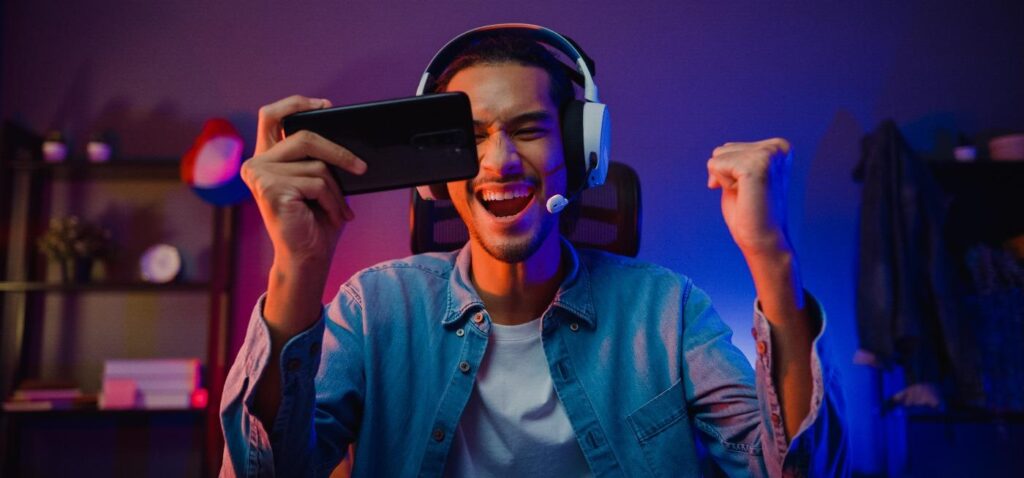
Gaming has always followed technology. As devices became faster, screens sharper and internet connections stronger, games changed with them. What used to be simple movement on a screen has become detailed worlds, online competition, mobile play, cloud streaming and virtual reality.
The word gaming now covers a wide space. It can mean playing a console title at home, joining friends online, using a phone for a quick puzzle game, watching esports, or even visiting an online casino platform. The technology behind these experiences is different, but the goal is the same: make play easier to access, more engaging and more personal.
This is why gaming has become part of everyday life. It is no longer tied to one device or one type of player. People can play on a console, PC, tablet, phone or handheld system. They can play alone, with friends in the same room, or with people on the other side of the world.
Faster Hardware Made Games More Detailed
The most obvious change in gaming has come from stronger hardware. Modern consoles and gaming PCs can handle better graphics, smoother movement and larger game worlds. Developers can create cities, stadiums, landscapes and characters with a level of detail that was not possible before.
This does more than make games look better. It changes how games feel. Better frame rates make movement smoother. Faster loading times reduce waiting. Improved lighting and sound make worlds feel more believable.
Hardware also affects game design. When developers have more power to work with, they can build larger maps, more complex physics and smarter enemy behaviour. A racing game can feel closer to real driving. A sports game can make player movement more natural. An adventure game can let players explore without constant loading screens.
Online Play Changed the Social Side
Internet connectivity changed gaming completely. Before online play became normal, multiplayer usually meant sitting next to someone. That still has value, but online gaming made the world much larger.
Players can now compete, cooperate and communicate from different countries. A group of friends can play together even if they live far apart. Competitive games can match players by skill level. Team games can reward communication, planning and quick reactions.
This social side is one of the biggest reasons gaming keeps growing. For many people, gaming is not just a hobby. It is a way to stay in touch. A voice chat, a shared mission or a late-night match can become part of a friendship.
Online play also created live-service games. These games are updated regularly with new maps, characters, events and rewards. That keeps players coming back, but it also means developers must keep balancing the experience. If updates feel unfair or too focused on spending, players quickly notice.
Mobile Gaming Made Play More Accessible
Smartphones brought gaming to people who may never have bought a console. A phone is already in the pocket, so the barrier to entry is low. This changed the size and shape of the gaming audience.
Mobile games are often built around short sessions. Someone can play for five minutes on a train or for an hour at home. Puzzle games, strategy games, card games and casual sports games all work well on phones because they fit into daily routines.
The downside is that some mobile games rely too heavily on adverts, timers and in-app purchases. Good mobile design respects the player’s time. It gives clear progress without making the experience feel like a payment loop.
Even with those problems, mobile gaming has been one of the most important shifts in the industry. It made gaming more normal, more flexible and easier for different age groups to enjoy.
Cloud Gaming Reduced the Need for Expensive Devices
Cloud gaming is another major change. Instead of running the game on a local console or PC, the game runs on remote servers and streams to the player’s screen. In theory, this means people can play demanding games without owning powerful hardware.
The benefit is clear. A person might be able to play on a basic laptop, tablet or smart TV. The challenge is connection quality. Cloud gaming depends on stable internet, low latency and strong servers. If the stream lags, the experience suffers.
Cloud gaming is not perfect yet, but it points towards a future where access matters more than ownership. Players may not need to buy every game or upgrade hardware as often. They may subscribe, stream and play across different screens.
Artificial Intelligence Is Changing Game Design
Artificial intelligence has been part of games for decades, but modern AI is becoming more useful. It can help create better enemy behaviour, more natural character reactions and more flexible game worlds.
In older games, non-player characters often followed simple patterns. They walked fixed routes, attacked in predictable ways or repeated the same lines. Better AI can make them feel less mechanical. Enemies can react to player choices. Teammates can support more naturally. Worlds can feel more alive.
AI can also help developers build content faster. It may support testing, animation, dialogue drafts or level design. This does not replace creative teams, but it can change how they work.
The risk is overuse. If AI-generated content feels empty or repetitive, players will reject it. Technology helps, but good writing, design and human judgement still matter.
Virtual Reality and Immersion
Virtual reality has not replaced traditional gaming, but it has created a different kind of experience. VR works best when the player feels physically present in the world. Movement, hand tracking and 3D space can make simple actions feel new.
A shooting range, rhythm game, flight simulator or boxing game can feel very different in VR compared with a normal screen. The player is not just pressing buttons. They are moving their body and reacting in space.
The limits are still clear. VR headsets can be expensive. Some players find them uncomfortable. Games also need to be designed carefully to avoid motion sickness. Still, the technology has a clear place, especially for fitness, simulation and immersive experiences.
Esports and Streaming Created New Audiences
Technology has also changed how people watch games. Streaming platforms made it normal to watch other people play. Esports turned competitive gaming into a spectator product with teams, events, commentators and large online audiences.
This has changed how games are built. Developers now think about whether a game is watchable as well as playable. Clear action, strong characters and dramatic moments help a game grow online.
For players, streaming has also created communities. A game can stay popular because people enjoy watching it, discussing it and sharing clips. The line between player and viewer is now much thinner than it used to be.
The Future of Gaming Technology
Gaming will keep moving with technology. Faster networks, better chips, smarter AI and more flexible devices will shape what comes next. Games may become more personalised, more connected and easier to access across different screens.
But the core appeal will not change. People play games because they enjoy challenge, progress, creativity and connection. Technology can improve all of that, but it cannot replace good ideas.
The best games are not always the most advanced. They are the ones that use technology with purpose. Better graphics, AI, cloud systems and online features only matter when they make the game more enjoyable.
Gaming has grown because technology made it broader. It gave players more ways to play, more people to play with and more worlds to explore. The next stage will depend on the same simple question that has always mattered: does the technology make the experience better?