Have you ever visited a restaurant and noticed how quickly the staff takes orders, the kitchen prepares food, and the bill arrives without confusion?
Many restaurants today use modern technology to make customer service smoother and more organized. These tools help restaurant teams manage orders, communicate with the kitchen, and handle payments in a clear way.
Restaurants focus strongly on customer satisfaction. When service runs smoothly, customers feel comfortable and enjoy their time. Technology helps restaurants manage many daily tasks while keeping the customer experience pleasant.
Tools like a restaurant cloud based pos system help restaurants handle orders, billing, and daily operations in an organized way. Let’s look at several ways restaurants are improving customer service with technology.
1. Faster Order Taking
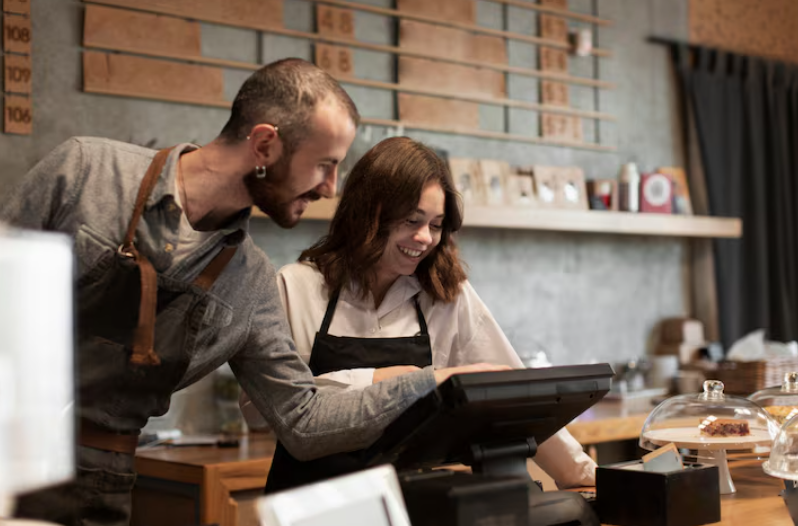
Restaurants today often use digital devices to take customer orders. This simple change helps staff record orders quickly and accurately.
Digital Ordering Devices
Servers can enter orders directly into a system using a tablet or POS terminal. Once the order is entered, it moves directly to the kitchen system. The kitchen staff can immediately begin preparing the dish. This process helps customers receive their food quickly and keeps service organized during busy hours. Customers enjoy seeing how smoothly their orders move from the table to the kitchen.
2. Clear Kitchen Communication
Communication between the dining area and the kitchen is important for smooth service. Technology helps staff share order details clearly.
Kitchen Display Screens
Many restaurants now use kitchen display system hardware that shows incoming orders on a digital screen. Chefs can read the exact details of each order and prepare dishes accordingly. The screen shows items, quantities, and any special instructions. This organized system keeps the kitchen team informed and focused. As a result, customers receive their meals in an organized and timely manner.
3. Faster Billing Process
Paying the bill is the final step of the restaurant visit. Technology helps make this process smooth and quick.
Digital Payment Handling
When the customer finishes their meal, the server can generate the bill through the POS system. The total amount appears instantly. Customers can pay using cards, mobile wallets, or other digital payment methods. This simple process helps customers complete their payment comfortably and keeps the checkout process clear.
4. Easy Menu Updates
Restaurants often update menus with new dishes or seasonal items. Technology allows restaurants to update their menu information quickly.
Digital Menu Management
Managers can update menu items directly within the POS software. If a new dish is added or the price of an item changes, the update appears on the ordering screen immediately. Staff always see the latest menu details while taking orders. Customers benefit because they receive accurate information about available dishes.
5. Organized Order Tracking
Restaurants handle many orders at the same time. Technology helps staff keep track of each order easily.
Real-Time Order Monitoring
The POS system records every order in the system. Staff can check the status of an order anytime. They can see when the order was placed and when it is ready to serve. This clear tracking system keeps the service organized and allows staff to respond quickly to customer requests.
6. Helpful Data For Service Improvement
Technology helps restaurants understand customer preferences and service patterns.
Sales And Service Insights
Digital systems collect useful information about daily operations. Managers can review reports showing popular menu items, busy hours, and order patterns. This information helps restaurants plan staffing and menu availability effectively. When restaurants understand these patterns, they can organize service in a way that supports a comfortable dining experience for customers.
7. Convenient Drive-Thru Experience
Many restaurants serve customers who prefer ordering from their vehicles. Technology helps manage this process smoothly.
Organized Vehicle Order Management
Restaurants that provide drive-thru service often use systems connected to drive thru systems for restaurants. Staff can take orders quickly and send them directly to the kitchen. The system keeps each order organized so that food preparation and pickup happen smoothly. Customers appreciate the quick service and clear order handling.
8. Better Coordination Among Staff
Restaurant teams work together to keep service running smoothly. Technology helps staff stay connected during busy hours.
Shared Information Across Devices
Orders entered in the POS system become visible to the kitchen and service staff at the same time. Everyone on the team knows what needs to be prepared and served. This shared information helps the team work together in an organized way and maintain steady service throughout the day.
9. Smooth Overall Dining Experience
Technology supports many parts of restaurant operations, which ultimately improves the customer experience.
Centralized Service Management
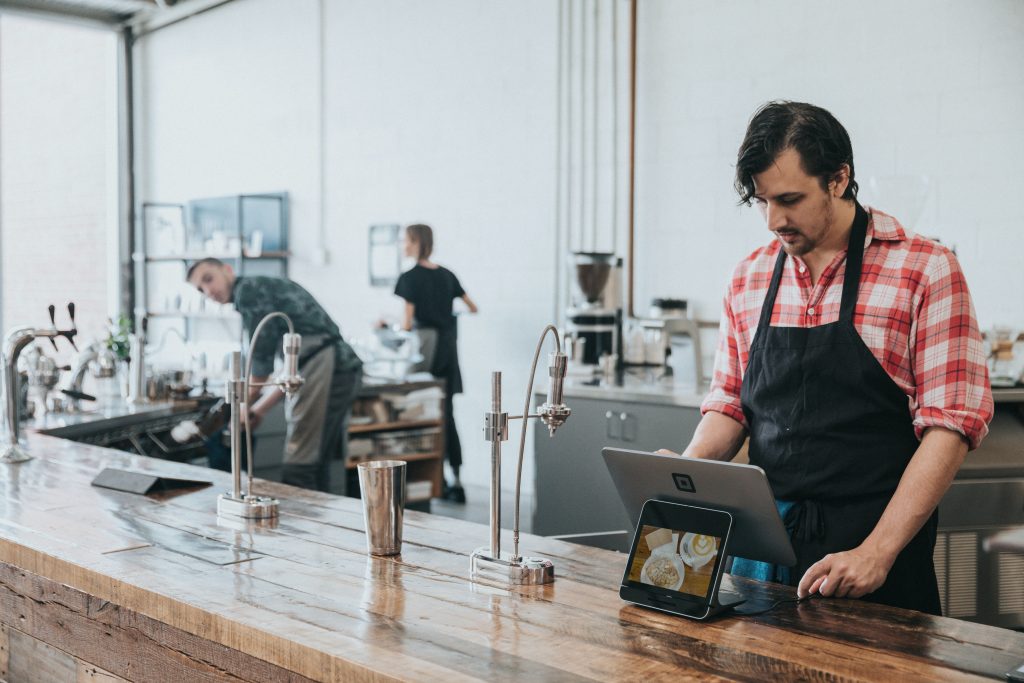
A digital system connects orders, payments, kitchen communication, and reporting in one platform. Managers can monitor operations easily, and staff can access the information they need quickly. Customers enjoy efficient service, accurate orders, and quick billing. This organized environment creates a pleasant dining experience for everyone.
Final Thoughts
Restaurants today focus strongly on providing comfortable and efficient service. Technology supports this goal by helping staff manage orders, communicate with the kitchen, and process payments smoothly. Tools such as POS systems, kitchen display screens, and drive-thru management systems help restaurants organize their daily operations. When restaurants use these systems effectively, customers enjoy quick service, accurate orders, and a welcoming dining environment.