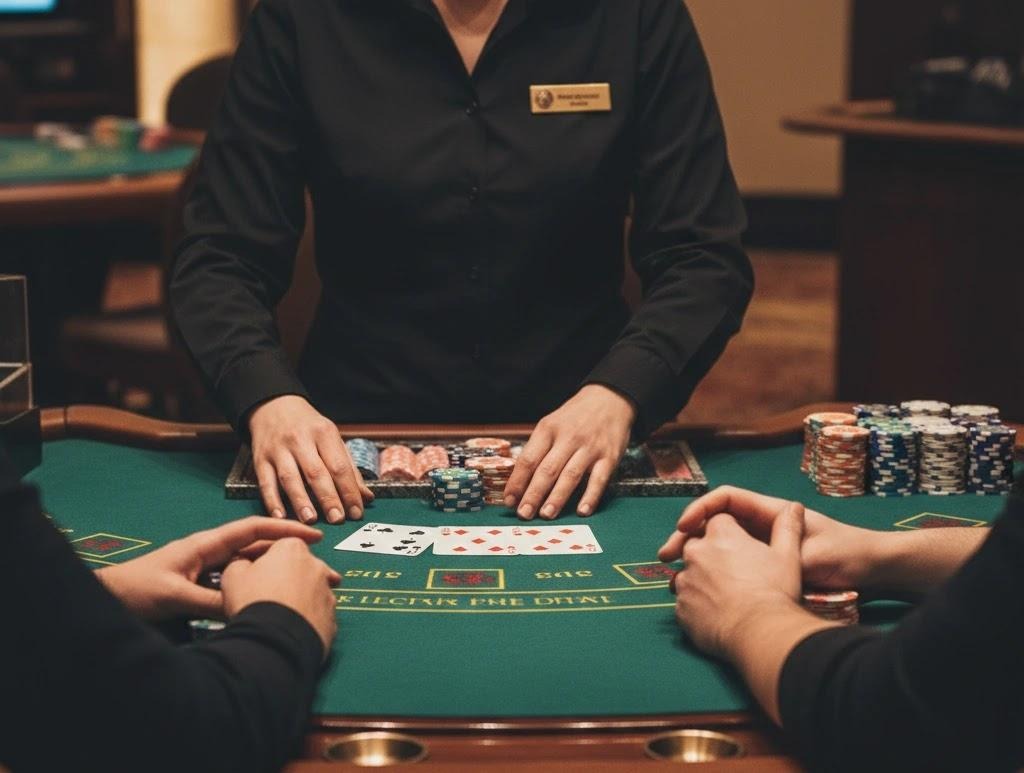
In the casino environment, critical skills are often invisible. Eduard Lebedev, a seasoned dealer in Cyprus, highlights the challenge of recognizing guests’ subtle state changes without commenting on them. This distinction — observing without intervening — defines professional expertise, showing that restraint is as necessary as technical precision.
Seeing vs. Saying: A Delicate Balance
Attention and interference operate in different domains. Eduard Lebedev tracks micro-signals each shift — posture, hand tremors, pauses, eye movements — through peripheral awareness rather than active analysis. Recognition does not grant permission to address issues verbally. Expertise lies in discerning what to observe from what to speak. The floor croupier must maintain operations rather than offer unsolicited personal guidance.
Reading the Room Before a Word is Spoken
Physical cues telegraph internal states long before verbal acknowledgment surfaces. Movements slow or accelerate unnaturally. Breathing patterns shift. Micro-expressions flash across faces — frustration tightening jawlines, exhaustion settling into shoulders. During one evening session on the island, a participant’s hand hesitated mid-reach three times in a row. The rhythm fractured noticeably. No complaint emerged, no request for a pause. The croupier maintained a standard tempo, allowing the natural break point to occur without external prompting. Within minutes, the guest stepped away independently. In that moment, speaking would have disrupted the process more than silence did.
The Power of Saying Nothing
Words carry weight. Suggesting a break implies judgment and imposes authority, introducing pressure where none existed. Silence preserves guests’ autonomy, as refraining from comment allows independent choice — even if one’s perceptions are accurate.
Self-Control as a Tool
Managing the urge to comment demands as much discipline as managing visible reactions. Suppressing the instinct to help is part of professional restraint. Self-regulation improves with practice, and the gaming floor is a continuous training ground for deliberate non-interference.
Framed by Rules: Why Silence is Part of the Protocol
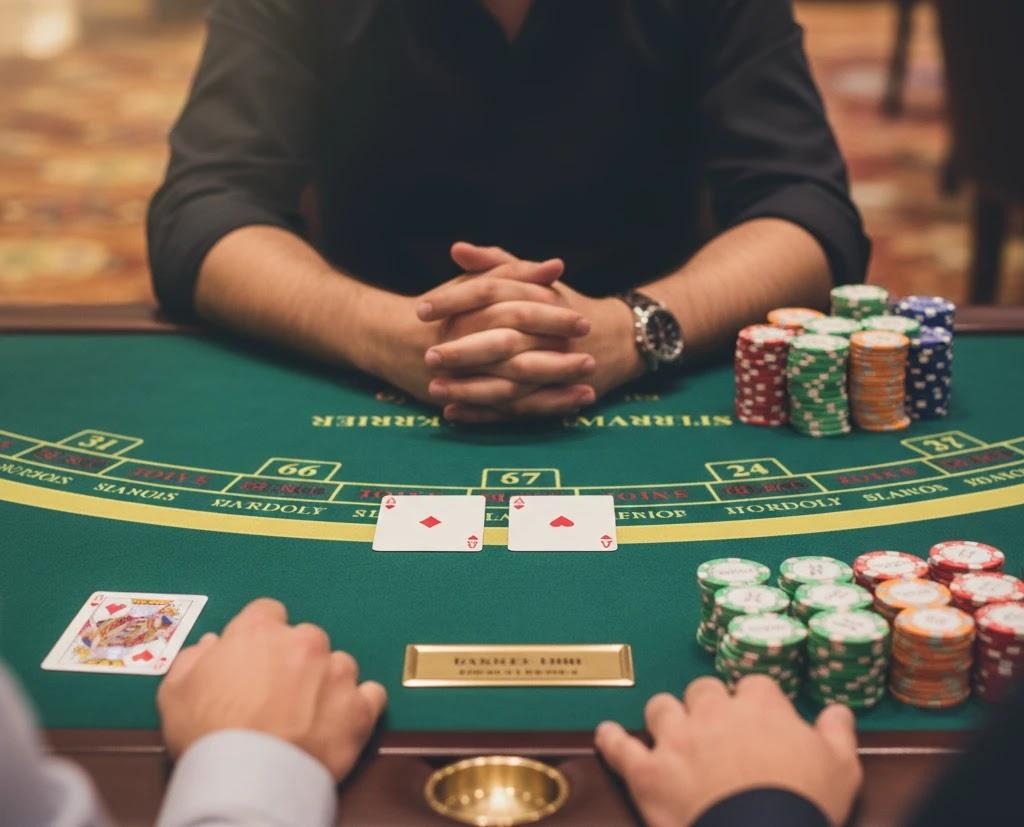
Operations across the island follow strict frameworks for staff conduct. Protocols specify when workers should intervene and when to maintain neutrality. These standards protect boundaries and are enforced by casino regulation in Cyprus, shaping behavior through real-world constraints.
When Discretion Outweighs Advice
Another case in point: a regular visitor showed visible tension building over forty minutes — a tighter grip, sharper movements, and a dropping vocal tone. Floor staff noticed simultaneously but maintained protocol. No one approached. Eventually, the guest stood, stretched, walked the perimeter, and returned visibly calmer. Had someone intervened earlier with well-meaning concern, the guest’s autonomy would have been compromised. The self-directed break carried a different psychological weight than one prompted by external observation. This protected the participant’s sense of control over their own experience.
What Players Sense But Can’t Quite Name
Many participants report appreciating the space provided by staff, but do not specify what creates that sensation. The feeling arises from absence — the lack of hovering, commentary, or pressure. Guests retain authority over their own decisions while operating within a stable structure. This balance, when executed correctly, produces an atmosphere where autonomy and support coexist. The specialist’s restraint becomes the invisible foundation enabling that experience.
The Invisible Skill That Defines a Pro
Mastery reveals itself through what does not happen. A croupier who never overreaches, never imposes, never mistakes noticing something for license to advise demonstrates expertise that most visitors won’t consciously register. Yet its absence would be felt immediately — the discomfort of being monitored too closely, the irritation of unsolicited suggestions. The ability to maintain boundaries while staying attentive transfers beyond gaming halls. Former specialists often carry this capacity into unrelated contexts, recognizing states in others without feeling compelled to verbalize every perception.
Seeing is Their Job, Speaking is Their Choice
Professional competence in a casino involves knowing when silence is more effective than speech. Observation skills develop through sustained exposure to human behavior. The choice not to comment requires training beyond simple etiquette. Actual expertise on Cyprus gaming floors manifests as much in what specialists refrain from doing as in their visible actions. For a deeper context, see the expert material by Lebedev Eduard, which offers operational insights and practical guidance for application.