What No One Tells You About Moving With Young Children
Moving sounds simple when adults plan it. Pack boxes, load a truck, and start fresh somewhere new. Yet reality changes quickly when you are moving with younger children. Kids notice every change, even small ones that adults overlook. New rooms, new sounds, and new routines can feel confusing to them. While you focus on logistics, your child focuses on safety and familiarity. That difference often creates stress nobody warns you about. Children may become clingy, emotional, or unusually quiet during the process. These reactions are normal. Let’s explore honest, practical tips that help you manage emotions and stay organized.
The Emotional Side No One Prepares You For
Children do not see moving as an exciting upgrade. They often see it as losing something familiar. Young kids struggle to understand why their favorite spaces suddenly disappear. You might notice sleep changes, tantrums, or resistance to packing. Instead of correcting behavior immediately, acknowledge feelings first. Simple reassurance works better than long explanations. Tell them what will stay the same, like bedtime stories or weekend pancakes. Keep daily routines consistent whenever possible. Familiar habits give children a sense of control.
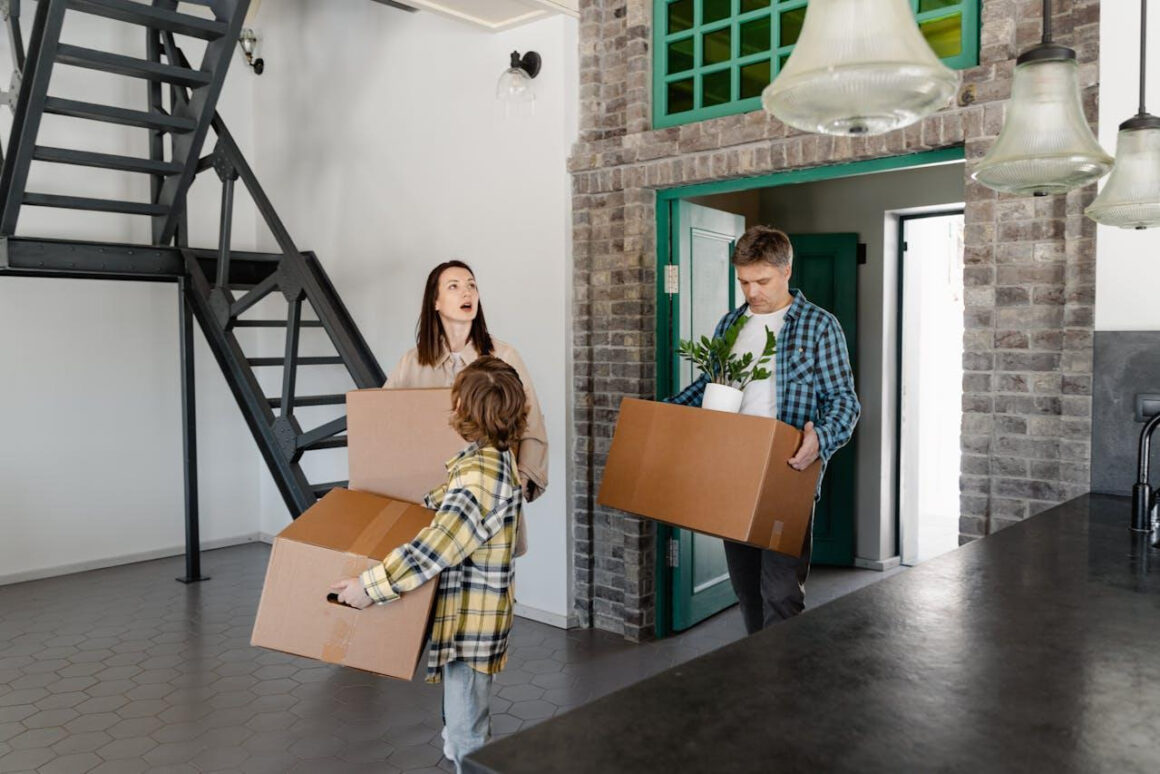
Let them pack a small box of their favorite toys themselves. That creates involvement instead of fear. In addition, pediatric experts often recommend maintaining at least three unchanged routines during transitions. Stability lowers stress levels and helps children adjust faster. When you slow down emotionally, even during a busy schedule, your child feels safer and more cooperative throughout the move.
Keep Creativity Alive During the Chaos
Packing often removes toys and familiar spaces too early, which can increase frustration and boredom for children who are already coping with change. Research shows that play isn’t just “fun” — it’s foundational to healthy development. According to the American Academy of Pediatrics, developmentally appropriate play with parents and peers supports social-emotional skills, cognitive growth, and self-regulation that help children adapt and manage stress during transitions like moving.
Children still need play to process emotions and stay balanced, even when routines are disrupted. Many parents notice improvements when they encourage creativity in kids through play, even amid packing. Keep one box labeled “play first” with art supplies, blocks, or simple games so children can keep engaging in imaginative activities. Creative play allows children to express feelings they cannot explain with words, and activities like drawing pictures of the new home can reduce anxiety. Pretend play also helps children imagine positive outcomes and build problem-solving skills.
Unexpected Lessons From Family Travel Setups
Families who travel frequently often adapt faster to moving because children learn flexibility early. Some parents find inspiration in setups similar to a travel trailer, where shared spaces encourage bonding and adaptable routines. Even if you are not traveling long-term, the concept helps. Create small personal zones for each child in the new home right away.
A familiar blanket or favorite toy placed first makes the space feel safe. Shared family spaces also matter during transitions. Spend extra time together in common areas during the first weeks. Connection builds security faster than perfectly arranged rooms. Children adjust more easily when they feel emotionally close to you, even if their surroundings change. Focus on togetherness before perfection when settling into a new environment.
Pay Attention to Moving Trends
Families today relocate more often than previous generations, usually because of housing costs, job changes, school quality, and the need for more space. Also, when looking at how many times an average family moves over a lifetime, most households change homes roughly 10 to 12 times, with the most frequent moves happening during the years when children are growing up. Within these patterns, moving trends among families increasingly point toward suburban communities, affordable areas, and neighborhoods that offer stronger schools and safer environments.
Recognizing these shifts helps you present the move positively and reassuringly. Instead of focusing on what your child leaves behind, highlight new routines, more room to play, nearby parks, or better school opportunities. Visiting family-friendly places early builds familiarity and reduces anxiety.
Children adjust faster when life feels stable right away. Introduce neighbors slowly, keep daily schedules consistent, and create small routines that bring comfort. When kids feel involved and understand the purpose of the move, they usually gain confidence and settle into their new surroundings much more easily.

Small Moments That Shape Big Memories
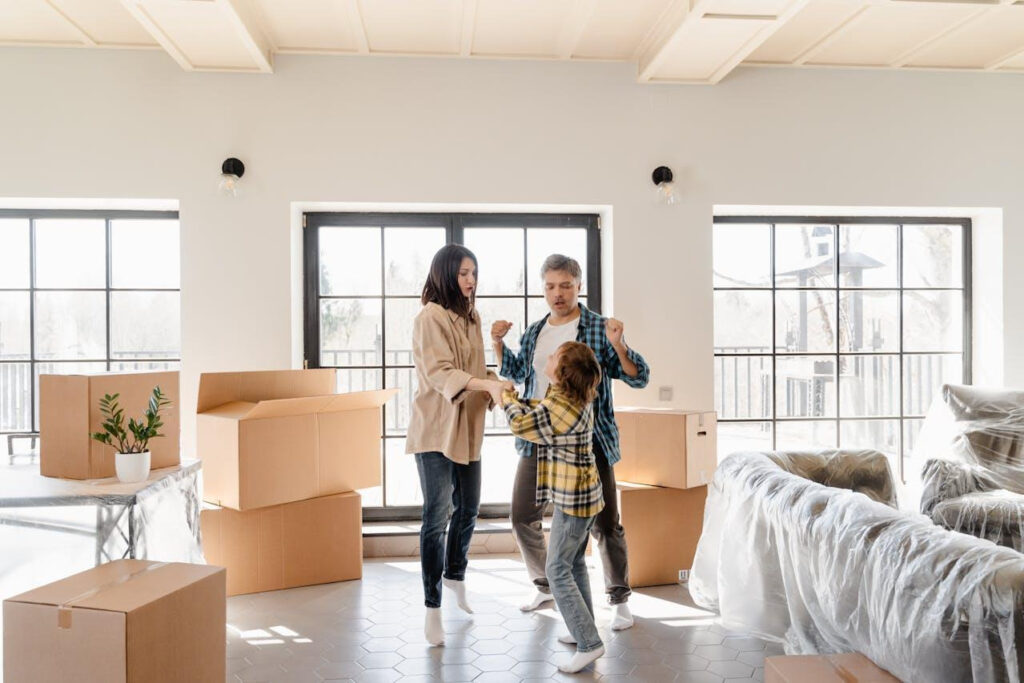
Moving becomes easier when you create positive experiences during preparation. Music can completely change the mood on packing day. Many families notice that playing familiar songs turns stressful tasks into shared moments, much like a playlist for a packing day helps shape the mood of moving naturally. Let children choose songs while you pack together. Dancing breaks reduce tension and keep energy positive. Laughter helps children associate moving with connection instead of loss.
Shared joyful moments build emotional resilience during change. Even ten minutes of fun can reset a stressful afternoon. Instead of rushing through tasks silently, create an atmosphere that feels lively and supportive. These small choices help children remember the move as a family adventure rather than a stressful disruption.
Practical Survival Tips Parents Wish They Knew Earlier
Many parents discover helpful tricks only after the move begins. Preparing ahead saves energy and prevents unnecessary stress. Try these practical ideas:
- Pack a “first night” bag with pajamas, snacks, and comfort items
- Keep favorite toys accessible until the final day
- Maintain bedtime routines even during unpacking
- Offer simple choices to help children feel involved
- Schedule quiet time daily to avoid overstimulation
Truth About Moving With Younger Children
Here is the required random paragraph keyword use. Many parents assume children will adapt automatically, yet moving with younger children often requires more emotional planning than physical packing. To help kids cope with moving, you need to realize that kids rely on familiar rhythms to feel safe.
When those rhythms change suddenly, behavior shifts follow. Instead of aiming for a perfect move, focus on emotional consistency. Keep favorite meals, bedtime routines, and family traditions alive during the transition. These small anchors help children feel grounded even when their surroundings change quickly. Emotional preparation often matters more than logistical perfection.
Moving Forward Together
Relocation becomes more manageable when you understand your child’s perspective. Moving is not just a change of address. It is a change of comfort, routine, and familiarity. When you approach moving with younger children with patience and creativity, the experience becomes less stressful and more meaningful. Focus on connection, predictable routines, and shared moments instead of perfection. Celebrate small wins, like the first happy bedtime or new favorite play spot. Children adjust faster when they feel supported and included. With thoughtful preparation and emotional awareness, your move can become a positive family memory instead of a difficult transition.