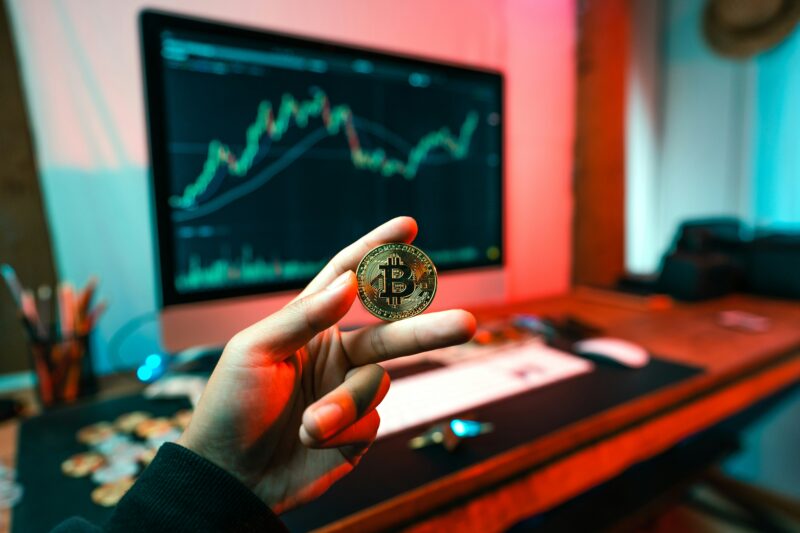
Ever felt that electric rush when a game trailer drops? Or the buzzing excitement when your favorite show ends on a cliffhanger? That’s the psychology of anticipation in fandoms at work.
Fandoms thrive on waiting. It’s the countdown to concert tickets going on sale. The endless social media theories before another Dexter season premiere. The speculation that fills Reddit threads and Tumblr posts.
What’s funny is this: sometimes the waiting ends up being more exciting than the thing you’re actually waiting for.
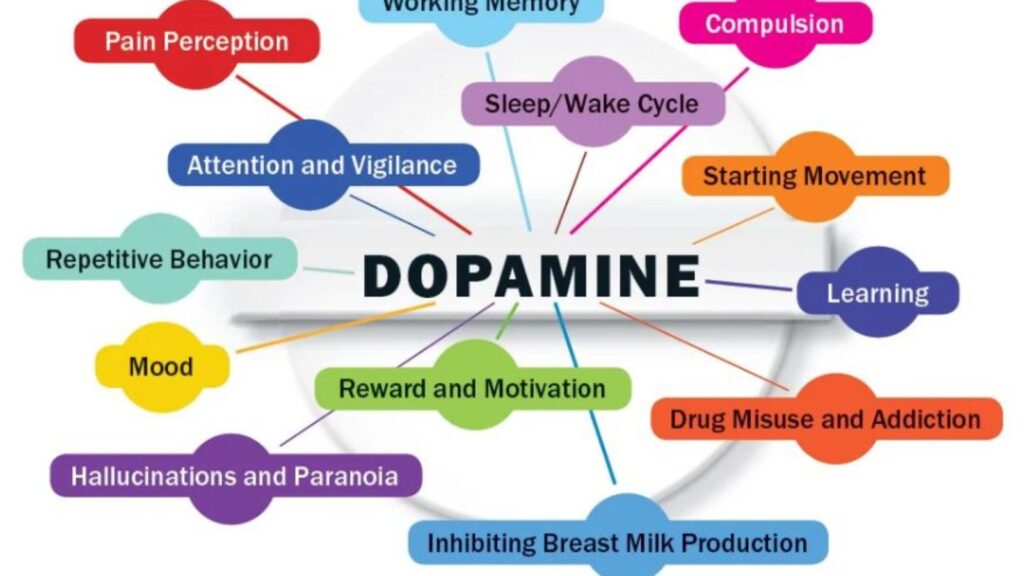
That buzz you feel? It’s your brain pumping out dopamine during the buildup. And that little chemical hit can be stronger than the payoff itself.
This explains why entire fandoms lose their minds over teaser trailers. Or why brands drop millions just to dangle a sneak peek. Or why we sit there, refreshing Twitter at midnight, hoping for some scrap of news.
It doesn’t matter if you’re a gamer hunting for the next beta key, a Swiftie counting down the seconds to a new album, or a die-hard fan itching for game day. Half the thrill is in the anticipation.
So, why does waiting feel so good? Let’s dig in.
What Drives the Anticipation High?
The science behind fandom anticipation reveals why waiting can feel better than winning.
Your Brain on Hype
Your brain doesn’t wait for rewards to celebrate. It starts the party early.
Research published in the Journal of Neuroscience shows that anticipation of a reward triggers sustained dopamine release.
Think of dopamine as your brain’s “get excited” chemical. When you’re waiting for something you want, your reward system lights up.
This explains why Star Wars and Marvel fans pick apart every frame of a trailer. Or why gamers study beta footage for hours. The anticipation itself delivers a reward your brain can feel.
But, there’s a twist. Your brain often releases more dopamine during the wait than during the actual experience. The week before a big game or concert can feel more intense than the event itself. Your brain is pre-celebrating.
The Power of Shared Excitement
Anticipation gets bigger when you share it with others. This is where social media turns individual waiting into a group experience.
Emotional contagion spreads through fan communities fast. When Swifties count down to Taylor Swift’s Midnights album, they weren’t waiting alone. When Star Wars fans theorize before The Mandalorian premiere, they build excitement together.
Platforms like X, Reddit, and Tumblr unite fans in shared anticipation. Fandom-related memes spread quickly. Theory threads grow long and lead to YouTube prediction videos. Countdown posts multiply. Each post feeds the group’s excitement.
Fandom communities have learned to master engagement on social media through speculation posts and theory threads. This social boost makes anticipation more powerful than experiencing it alone.
The result? A feedback loop where shared excitement builds on itself. Dopamine feeds more dopamine.
How Waiting Builds Community
It’s easier to build lasting community bonds when you create collective anticipation.
Pre-Event Rituals Create Identity
Rituals around anticipation strengthen fandom identity. Think tailgate parties before the Super Bowl. Or pre-game rituals that fans follow year after year. Game-day traditions, like family holidays like Thanksgiving, are passed down through families.
But rituals extend beyond sports. Concert-goers camp overnight for tickets, creating shared memories in the process. Meta-tours by bands and artists generate weeks of anticipation through pre-show meetups and costume planning. K-pop bands use marketing and branded hashtags to inspire fans to create fan art.
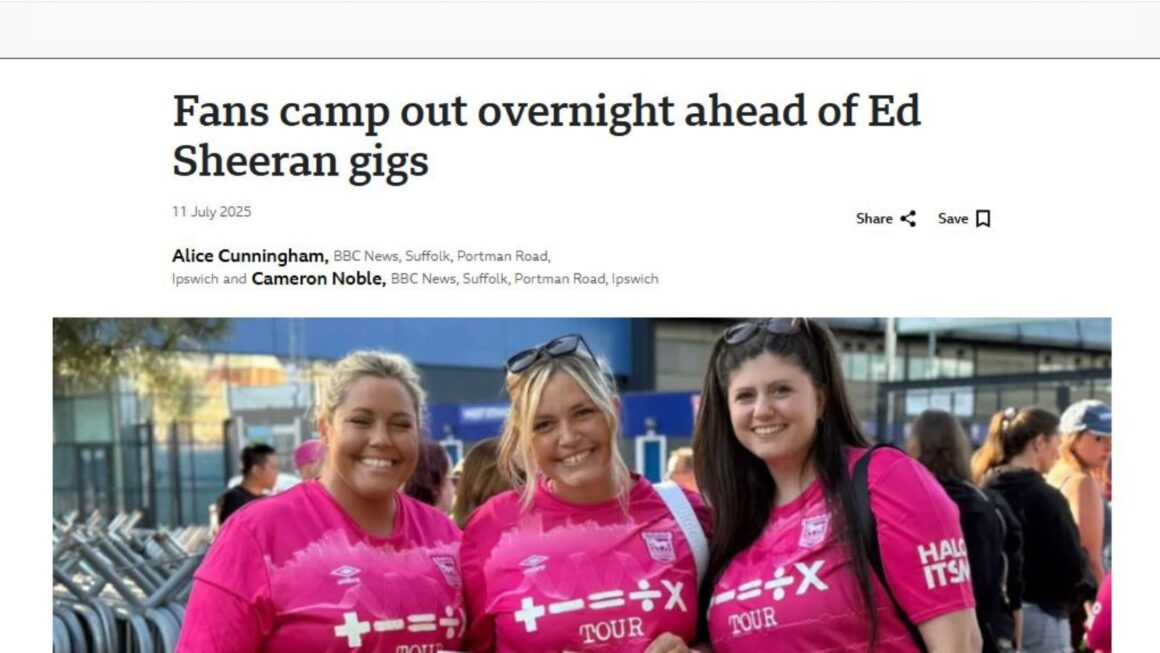
The San Diego Comic-Con shows anticipation as a community experience, as the ticket sale frenzy itself becomes an event. Fans bond over shared waiting experiences, whether they score badges or not.
These pre-game rituals aren’t just time-fillers. They’re identity markers. They signal belonging to something bigger.
Fan-Created Content Fills the Gap
When the stream of official content slows down, fans don’t just sit and wait. They start building worlds of their own. Fan fiction surges during the gaps between releases.
Artwork floods social feeds, theory videos multiply, and entire communities spring up to argue over which characters should end up together, especially in TV shows and comics. All of this co-creation deepens the bond fans feel with both the story and each other.
Studios have caught on. They now lean into this kind of engagement because it drives sales and keeps the hype alive. A great example was the Harry Potter era between book releases, when fans even turned that pent-up anticipation into organized activism.
When Anticipation Goes Wrong
Not all anticipation ends well. Sometimes the wait creates more problems.
The Letdown Effect
So what happens when reality falls short of what you imagined? Scientists call it a negative prediction error. Your brain expects a certain level of reward, but the real thing doesn’t measure up.
You see it in game launches that crash and burn. Months of hype push expectations through the roof, and then the release drops with bugs, missing features, or broken promises. The crash feels worse for fans because the build-up was so intense.
That kind of overhype stings on both sides. Fans feel let down. Creators face waves of backlash. And in the end, the lesson is hard to ignore: sometimes less anticipation leads to a better experience. The smartest fans learn to keep their excitement in check, and the smartest brands resist the urge to overpromise.
Toxic Fan Behaviors
Anticipation can fuel cancel culture when fans feel let down. And social media algorithms tend to spread negativity faster than positivity.
Parasocial bonds, those one-sided emotional ties with media figures or fictional characters, don’t always stay healthy. These bonds can cause fans to feel a sense of ownership over storylines or characters. When creators make changes, that emotional investment can twist into anger. Disputes over character arcs often ignite full-blown fandom wars, sometimes louder than the content itself.
What was once a shared moment of anticipation can quickly turn into a battleground. That is why media producers increasingly lean on social media monitoring tools to track sentiment in the lead-up to big releases.
Brands Tapping Into Fandom Psychology
Smart companies understand anticipation creates value.
Marketing the Wait
Teaser trailers exist because anticipation sells.
The A Song of Ice and Fire books that Game of Thrones is based on have generated years of speculation, partly because they’re still being written.
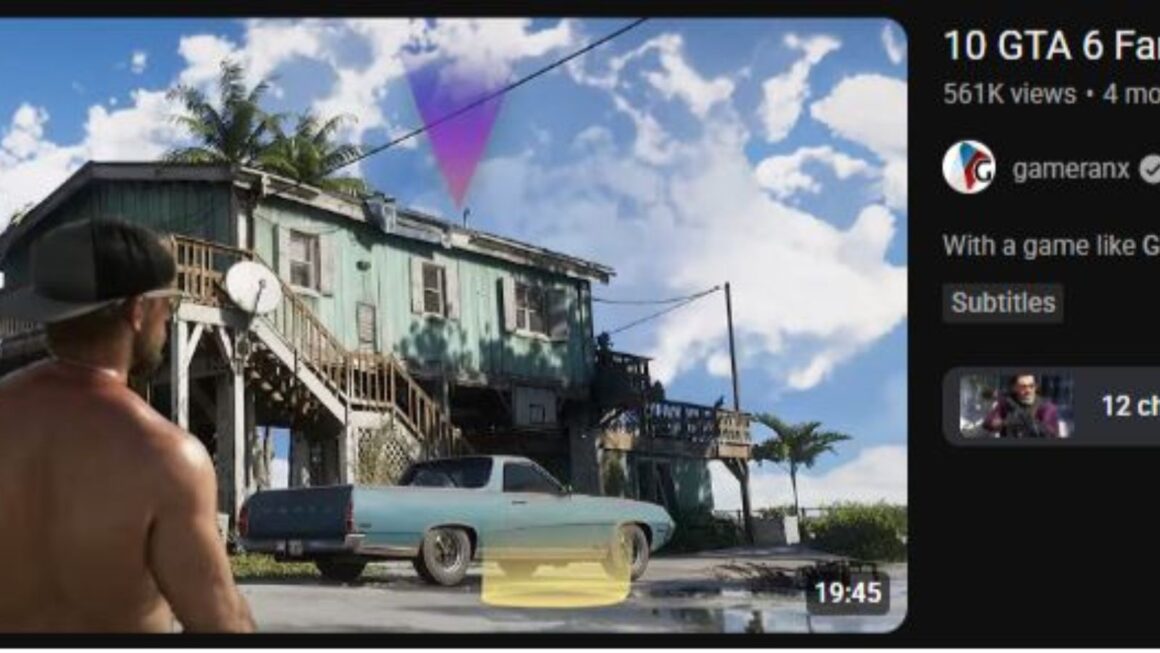
Game studios reveal projects early to build sustained excitement. For game series, the anticipation is even more profound. Each Grand Theft Auto release used to take up to 5 years, but the upcoming game release will be 13+ years since GTA V.
Marketers know that limited drops use scarcity and timing. Countdown marketing turns release dates into events, while fanatics are likely to engage more deeply than regular consumers because they’re investing time and energy.
Sports and Betting Platforms Build Hype
Sports betting platforms know exactly how to tap into the psychology of anticipation. They build hype around the games. For example, Bet365, one of the biggest names in the industry, runs strong social campaigns that keep fans engaged long before kickoff.
These betting platforms use countdown posts, expert takes, and exclusive behind-the-scenes content to generate anticipation. Fans following the promos at bet365 often find themselves even more invested in the match that’s coming up. Pre-game excitement grows through constant engagement and timely updates.
Conclusion
The psychology of anticipation in fandoms shows that waiting lights up the brain’s reward system. Often, the build-up feels better than the event itself.
That’s why fan communities thrive on hype, and why brands pour so much into creating it. Creators who understand this often see their Twitter follower count climb faster, because they know how to turn anticipation into engagement.
So the next time you’re counting down to a release or refreshing your feed for news, remember: anticipation isn’t just waiting. It’s future joy, experienced in the present.