Moving to a new place often comes with excitement and uncertainty. People imagine new opportunities, new routines, and a fresh start. Yet the reality of relocation often begins with unfamiliar streets, packed boxes, and many small decisions that need quick solutions. This is why the first month in a new city plays such an important role. The habits people build early often shape how comfortable they feel later. Instead of rushing to solve everything at once, the first weeks should focus on creating stability and a simple daily structure. Many newcomers benefit from collecting local knowledge early. Finding reliable information about neighborhoods, transportation, and services helps people feel less lost. Using resources like a local learning hub can make this stage easier, especially when someone needs quick answers about the area.
Get Oriented First
One of the fastest ways to reduce stress after a move is learning how the surrounding area works. A city feels overwhelming when everything is unfamiliar. Even simple tasks like buying groceries or locating a pharmacy can feel complicated at first.
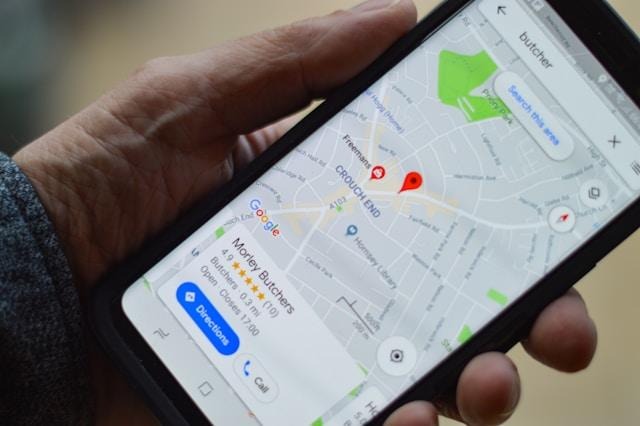
New residents should begin with a short list of essentials. This includes locating grocery stores, public transportation stops, banks, clinics, and nearby parks. Walking around the neighborhood is often more helpful than relying only on online maps. Physical exploration builds memory and confidence.
Creating small routines helps as well. Visiting the same café each morning or walking the same route in the evening gradually turns unfamiliar streets into known territory. These small habits build a sense of belonging.
During the first month in a new city, these simple steps reduce decision fatigue. Instead of feeling overwhelmed every day, people begin to move through their surroundings more naturally.
Create a Comfortable Living Space From Day One
A home does not need to be perfect immediately after moving in. Many people feel pressure to unpack everything within days. This approach often leads to exhaustion rather than comfort.
A better strategy is to focus on function first. Setting up the bedroom, bathroom, and kitchen creates immediate stability. These are the spaces used most often, so organizing them early restores a sense of normal routine.
Other rooms can wait. Decorative items, extra storage boxes, and seasonal belongings can be unpacked gradually over time. The goal is comfort, not perfection.
Many relocation experts suggest following the principle of unpack smart, not hard. Prioritizing essential items allows people to settle faster while avoiding the stress of trying to complete the entire move in one weekend.
Build Connections Without Feeling Overwhelmed
Social connection often determines whether someone feels at home in a new place. However, building relationships does not need to happen quickly. Many newcomers try to meet many people at once, which can feel exhausting. A slower approach usually works better. Simple everyday interactions often create the first connections.
Talking with neighbors, greeting shop owners, or attending small local events can gradually build familiarity. Community groups, local classes, or neighborhood meetups are also useful ways to meet people with shared interests. Consistency matters more than speed. Seeing the same faces regularly helps turn strangers into acquaintances, and acquaintances often become friends over time.
Navigate the Move With Family Responsibilities
Relocation becomes more complex when children are involved. Kids often rely on familiar routines, and sudden change can make them feel uncertain. Parents can ease the adjustment by preserving some parts of the previous routine. Maintaining familiar meal times, bedtime habits, or weekend activities helps children feel secure during the transition.
Exploring the new neighborhood together can also help. Visiting parks, libraries, and playgrounds allows children to build positive associations with the new environment. Parents who are moving with young children often find that early involvement in school communities, sports activities, or playgroups helps kids form friendships faster. Once children feel comfortable, the entire family usually settles more easily.

Establish Work and Productivity in a New Environment
Work routines often change after a move. Even professionals who work remotely may struggle to concentrate in a new environment. Setting up a dedicated workspace early helps restore productivity. This does not require a full office. A comfortable desk, reliable internet connection, and minimal distractions can make a big difference.
Exploring coworking spaces is another helpful option. Many cities offer flexible workspaces where remote professionals can focus while meeting others with similar schedules. People who frequently relocate often research ideal cities for remote workers before moving. These locations usually offer strong digital infrastructure, accessible workspaces, and communities of professionals who value flexible work lifestyles.
Manage the Emotional Side of Relocation
Relocation affects emotions as much as logistics. Even exciting moves can bring moments of loneliness or homesickness. This emotional adjustment is normal. People often underestimate how long it takes to feel fully comfortable in a new place.
Staying connected with friends and family helps during this stage. Regular calls, messages, or visits provide emotional support while new routines develop. Setting small weekly goals can also help maintain momentum. Exploring a new neighborhood, trying a local restaurant, or attending a community event creates positive experiences that gradually replace uncertainty with familiarity.
Small Wins That Make a Big Difference
Settling into a city rarely happens all at once. Instead, it usually develops through small discoveries that make a new city feel like home. These moments help transform an unfamiliar place into part of everyday life.
Common small wins during this stage often include:
- Finding a favorite bakery or café nearby
- Learning the fastest bus, train, or walking route to work
- Discovering a quiet park or green space for relaxation
- Locating a reliable grocery store with familiar products
- Identifying convenient pharmacies, gyms, or local services
Each discovery helps people feel less like visitors and more like residents. These simple milestones create confidence and make daily life easier.
Over time, recognizing these small wins makes the adjustment process feel more manageable and rewarding.

The First Month in a New City Is Very Important
The routines created early often influence how someone experiences a city for years. That is why the first month in a new city matters so much. People who explore early, build routines, and stay open to new experiences usually adapt more easily. Curiosity helps uncover hidden parts of the city that guidebooks rarely mention. Even after the initial adjustment, continuing to explore keeps the experience fresh. New neighborhoods, local events, and cultural activities expand the connection between residents and their city.
KW: the first month in a new city
Meta description: Tips for navigating the first month in a new city, building routines, finding connections, and turning a new place into a comfortable home.
Images used: