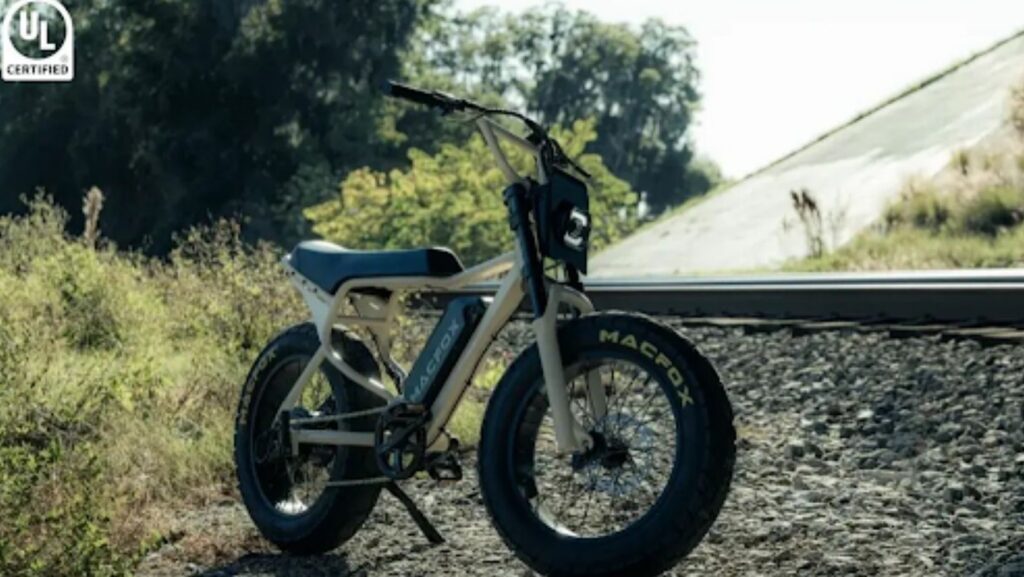
When buying an electric bike, one of the first questions many people ask is, “How far can it go?” The reason is simple: range is the easiest spec to understand. Concepts like motor, torque, and sensors can feel a bit abstract to beginners, but anyone can immediately understand the difference between “40 miles” and “70 miles.”
From a buying perspective, range is definitely important, but it usually needs to be considered together with your overall usage needs, rather than treated as the only deciding factor on its own.
For Most Riders, How Much Range Is Actually Enough?
For most users, the range they truly need usually is not as extreme as they imagine. If your main use is daily commuting, school drop-off, going to the gym, running to the grocery store, or taking relaxed weekend rides to the park or beach, then your single-trip distance will often fall somewhere between 10 and 25 miles. Some people may have a round-trip commute of around 15 to 20 miles. In that case, an e-bike with a real-world usable range of about 30 to 50 miles can already cover the vast majority of needs.
Besides Mileage, Battery Capacity Is Also Worth Looking At
When shopping, many people first look at the mileage number shown on the product page. But different brands do not always test under the exact same conditions, so looking at range alone is sometimes not enough. By comparison, Wh (watt-hours) is one of the easier specs to use for side-by-side comparison.
The common formula for Wh is:
Voltage (V) × Battery Capacity (Ah) = Watt-hours (Wh)
For example:
48V × 10Ah = 480Wh
48V × 15Ah = 720Wh
48V × 20Ah = 960Wh
Generally speaking, the higher the Wh, the more energy the battery stores, and the greater the potential range usually is.
For most consumers, it can be understood like this:
400–500Wh: better suited for light transportation and shorter commutes
600–750Wh: suitable for most urban commuting and regular weekend riding
800–1000Wh: better suited for medium-to-long commutes or more frequent use
Above 1000Wh or dual-battery setups: more suitable for long-distance, high-load, or all-day use scenarios
So when judging range, it is usually smarter to look at both miles and Wh together rather than relying on just one number.
More Range Usually Also Means More Weight and Higher Cost
From a product design perspective, longer range usually depends on a larger-capacity battery or a dual-battery setup. That does expand the electric bike’s usable range, but it also usually comes with some trade-offs.
The first is added electric bike weight. A standard commuter e-bike often weighs around 50–65 lb, while big-battery or fat tire models often land in the 70–85 lb range, and some dual-battery bikes go even higher. For people who mainly ride on flat roads, this may not always be a major issue. But if you need to push the ebike often, carry it, bring it into an elevator, or load it into a car trunk, the weight can have a very noticeable impact on daily convenience.
The second is the higher purchase cost. The battery itself is already one of the more expensive parts of the e-bike. A larger battery capacity usually shows up directly in the final price. For some high-usage riders, that extra investment makes sense. But for people whose riding distances are fairly short, whether that extra spending is worth it really depends on how often they ride and how they use the e bike.
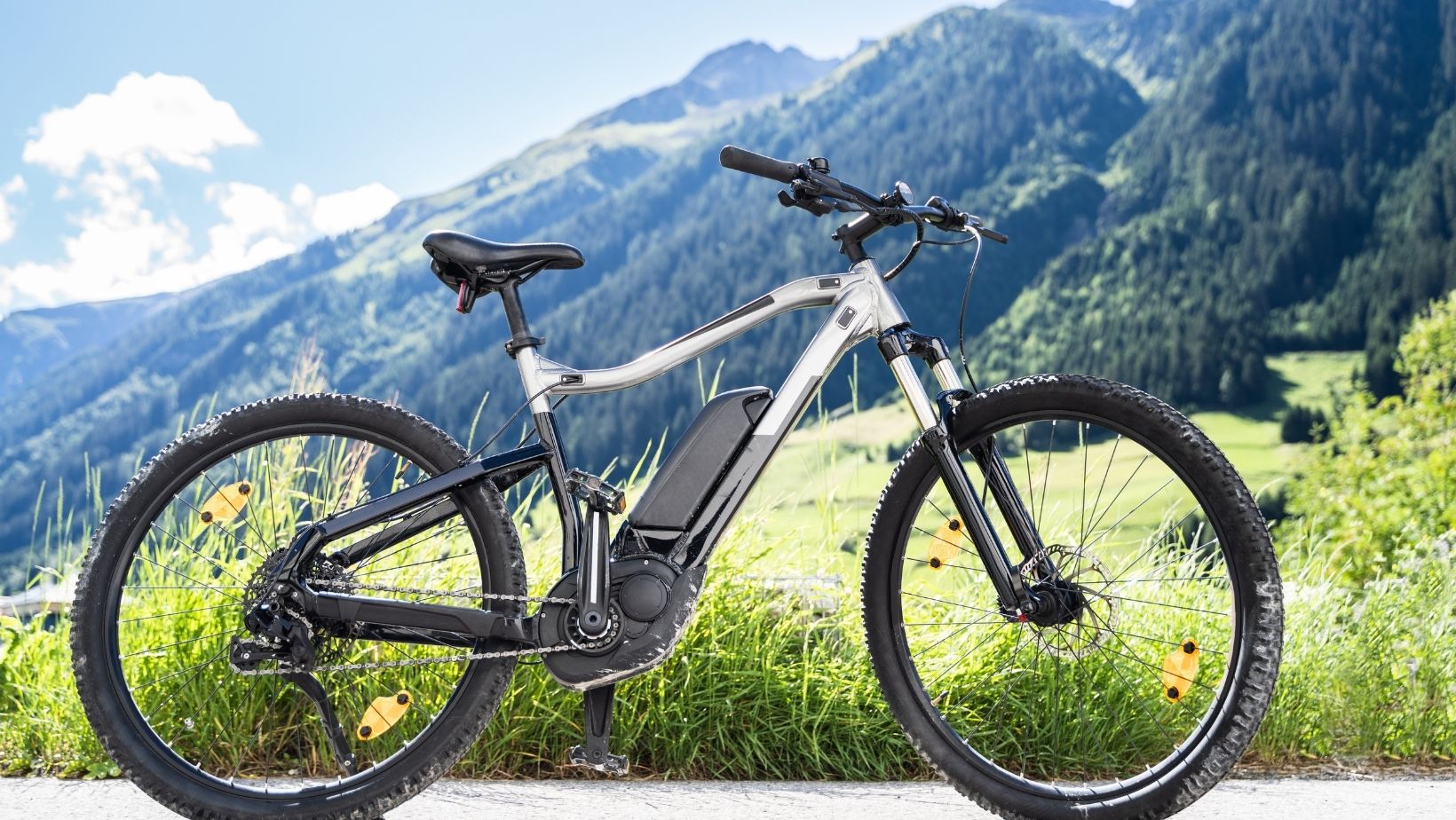
So, long range can be seen as an upgraded capability, but whether it deserves priority still depends on your actual needs.
Why the Range Number You See Often Feels So Different in Real Riding
Many consumers find that the range they get in real riding does not fully match the number shown in the marketing materials. This is quite common, and there is usually more than one reason behind it.
The range shown on product pages is often measured under relatively ideal test conditions, such as flat roads, low assist, a lighter rider, fewer stops and starts, and mild weather. But in real riding, the variables that affect range are much more complicated.
Common factors that affect range include:
Assist level
How often you use the throttle
Route elevation and hills
Wind resistance
Tire size
Rider weight and cargo load
Outside temperature
For example, the same 720Wh bike may come much closer to its official range figure under low assist and flat-road conditions. But if you ride in high assist, against the wind, on fat tires, on suburban roads, or while carrying extra load, the real-world mileage will usually drop.
So a more reasonable approach is to treat the official range as an upper reference and then estimate your real needs more conservatively.
A Few Key Factors That Matter Just As Much As Range
1. Riding Comfort
Comfort directly affects whether you will actually want to keep riding the bike over the long term. Frame size, riding posture, saddle width, and suspension all matter. If your back starts feeling tired after just 8–10 miles, then long range becomes much less meaningful. In general, commuting and leisure riding are better suited to a more upright riding position. Tires in the 2.3–4.0 inch range are usually more comfortable, and if you often ride a bit farther, front suspension is worth prioritizing.
2. Power Output and Road Conditions
Range should be considered together with the type of roads you ride on. For flat commuting, 500W is usually enough. If your routes involve more hills or more cargo, 750W is often a better fit. In terms of torque, 50–80Nm is a useful reference for daily riding, while 80Nm and above is usually more reassuring if you often climb hills or ride with heavier loads.
3. Braking and Tire Performance
If your route is not just smooth pavement and also includes parking lots, gravel, or coastal paths, then brakes and tires become especially important. For basic commuting, mechanical disc brakes can be enough. If the bike is heavier or you often ride downhill, hydraulic disc brakes are a better match. As for tires, 1.95–2.4 inch tires are more efficient, while 3.0–4.0 inch tires feel more stable and are better for mixed terrain.
4. How Convenient Charging Is
If you can charge at home or at work, your dependence on ultra-long range drops a lot. A 500Wh battery commonly takes around 4–6 hours to fully charge, while 700–900Wh batteries commonly take around 6–8 hours. If you can charge every day, then 500–750Wh is usually enough. If frequent charging is not convenient, then it makes more sense to consider a larger battery.
5. Bike Weight and Storage
If you need to carry the bike often, push it, bring it into an apartment, or fit it into a car trunk, weight is something you absolutely need to check. Standard commuter bikes are often around 50–65 lb, while fat tire or big-battery models commonly land in the 70–85 lb range. For riders who need to move the bike around often, weight can affect the experience more than that extra bit of range.
Who Should Prioritize a Long-Range E-Bike
Although longer range is not always better, some riders really should place it higher on their priority list. For example, people whose commute is already fairly long—especially those with a one-way ride of close to 15 to 20 miles, or a total daily distance of more than 25 miles—will naturally rely more on the practicality and peace of mind that higher range brings. The same is true for people living in suburban areas, where stores, services, and daily destinations are spread farther apart than they are in dense city centers.
In addition, riders who enjoy longer weekend leisure rides are also a better match for higher-range models. If you often combine your e-bike with coastal towns, greenway rides, country roads, or routes around parks, then having extra range does make planning easier and gives you more freedom without constantly watching the battery level. There are also some high-frequency users—such as delivery riders, photographers working on location, people moving across large campuses, or riders who often use racks and carry cargo—who are more justified in choosing a larger battery or dual-battery version.
Put simply, if the way you use your bike regularly pushes the battery close to its limit, then long range electric bike is a real necessity. But if most of your riding stays within shorter distances, then it is more of a bonus than a deciding factor.
Who Usually Does Not Need to Over-Chase Extreme Range
On the other hand, many users really do not need to make “maximum range” their number one goal. The most typical example is the urban short-distance commuter. If you mainly ride to and from work, run a few daily errands, and take short weekend rides nearby, then ease of use, comfort, parking, and charging convenience are often more important than whether the bike can theoretically go 70 miles.
Also, people who are just getting into e-bikes do not necessarily need to start with an ultra-long-range model. Beginners usually need a bike that is easy to control, easy to adapt to, and not troublesome in daily use. A bike that is too large, too heavy, or too expensive can actually make the trial-and-error process harder. The same goes for riders living in apartments or urban housing. If charging is already convenient and each ride is fairly short, then a mid-range battery is usually already very practical.
To put it more directly, some people buy ultra-long-range bikes just to avoid ever running out, but in the end, 80% of their daily riding only uses a small part of that capacity. In that kind of situation, a more balanced setup is often the smarter and more cost-effective choice.
Final Conclusion
Range on an electric bike is absolutely important. It directly affects your travel radius, charging frequency, and overall peace of mind while riding. But longer range is not always better, because more range usually also means a higher price, a heavier bike, and extra capacity that may not actually get used. For most American consumers, the most important thing when shopping is not chasing the biggest advertised number, but understanding their real riding distance, riding rhythm, and day-to-day lifestyle.
If you already have a long commute, enjoy longer weekend rides, or need to use your e-bike frequently throughout the day, then long range is definitely worth prioritizing. But if your riding is mostly short city trips, light transportation, daily errands, or relaxed nearby weekend rides, then a bike with enough range, better comfort, easy charging, and a more balanced overall setup is often the smarter choice.