For years, tech professionals have relied on coffee, energy drinks, and sugary sodas to get through demanding workdays. Tight deadlines, long coding sessions, product launches, and endless video meetings have created a culture where stimulants are often seen as part of the job.
But there is a noticeable shift happening. Many professionals in the tech world are starting to move away from high-caffeine drinks and late-night cocktails in favor of THC beverages. Rather than looking for something that creates a spike in energy followed by a crash, they are looking for products that support a more balanced state of mind.
That is where THC seltzers and beverages are starting to gain traction.
Unlike traditional energy drinks, THC beverages are often positioned around relaxation, mood support, creativity, or social connection. For people working in fast-paced digital industries, that approach can feel more relevant to modern work habits.
Why Tech Workers Are Rethinking Traditional Drinks
The tech industry is known for long hours and high mental demands. Energy drinks may help people stay alert in the short term, but they can also lead to jitters, anxiety, poor sleep, and burnout.
Many professionals are starting to question whether constantly relying on caffeine is actually helping their performance. Some are also looking for alternatives to alcohol, especially when it comes to after-work socializing, networking events, or unwinding at home.
THC beverages offer a different option. Instead of delivering a strong burst of stimulation, many products are designed to create a lighter, more controlled experience. Depending on the beverage, consumers may choose options designed for relaxation, focus, calm, or a mild social buzz.
This is especially appealing to professionals who want something that feels more intentional than drinking multiple cups of coffee or several alcoholic drinks.
Jake Bullock, Co-founder and CEO of Cann, has spoken about the role THC beverages can play in changing social habits: “We see a lot of people using THC beverages to drink a little bit less alcohol. Maybe that they still drink alcohol, but instead of having four drinks tonight, [they] have one. They have a couple of cans in their social experience, and the feeling, the buzz is all still in the same sort of range from an intensity and enjoyment standpoint, but then they feel so much better the next day.”
That idea resonates with many professionals in the tech space. Early mornings, important meetings, and high-pressure schedules make it harder to justify the effects of heavy drinking the next day.
The Appeal of Mood-Based Products
One of the reasons THC beverages are becoming more popular is because brands are moving away from complicated cannabis language and focusing instead on how people want to feel.
That is particularly important for consumers who may be curious about THC products but do not consider themselves traditional cannabis users.
Mood is one example of a company taking that approach. Rather than focusing entirely on the cannabis ingredient itself, the brand centers its products around the idea that people have different moods and want different experiences depending on the time of day.
Whether someone wants to relax after work, feel more social, or simply switch off from constant notifications and screen time, products are positioned around those goals.
As an online source for federally legal cannabis products, Mood has built its business around accessibility, transparency, and convenience. Founded in 2022, the company now works with more than 50 small American farms and has grown to a global team of over 200 employees.
That focus on transparency matters because THC beverages are not all the same.
Dr. Staci Gruber, Director of the MIND Program at McLean Hospital and Associate Professor of Psychiatry at Harvard Medical School, explains: “Cannabis is not one thing. A product that has equal amounts of THC and CBD is not likely to have the same impact as a product that has 15 milligrams of THC alone.”
This is an important point for new consumers, especially in professional settings. Different products can create very different experiences based on the balance of cannabinoids, serving size, and overall formula.
For tech professionals who value predictability and control, that level of product information can make THC beverages feel more approachable.
Why THC Beverages Fit Modern Work Culture
Work culture has changed significantly in recent years. Remote work, hybrid schedules, side hustles, and constant digital connectivity have blurred the lines between work and personal life.
As a result, more people are looking for small ways to manage stress and create separation between their professional and personal time.
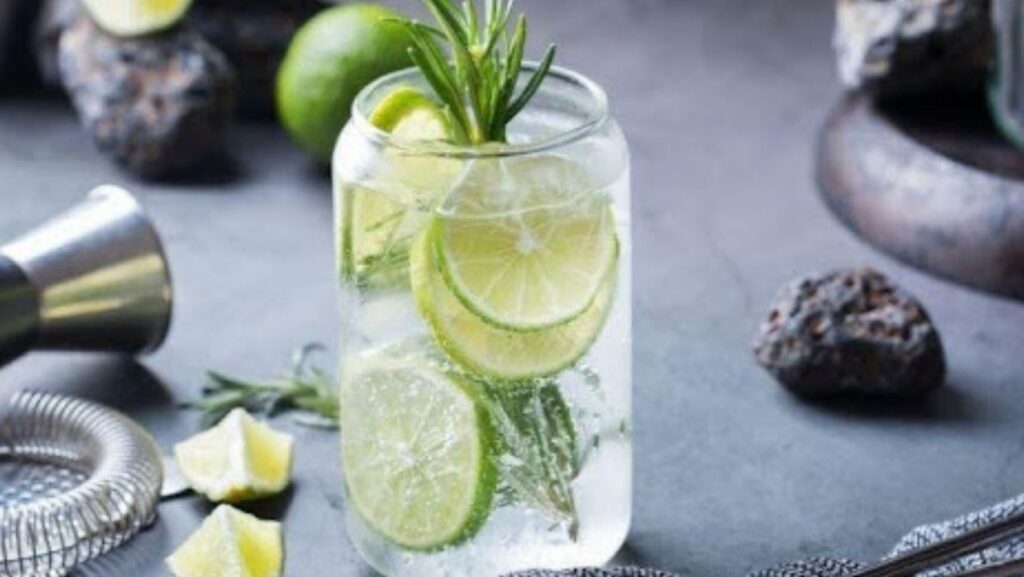
For some, that means replacing a third coffee with a sparkling THC drink in the evening. For others, it means choosing a low-dose THC beverage over alcohol during a networking event or social gathering.
THC beverages can also feel more modern than traditional cannabis products because they fit into familiar routines. Drinking a seltzer or canned beverage feels casual and easy, especially for people who are not interested in smoking or vaping.
That format also appeals to a generation of consumers who are already used to functional drinks, wellness products, and personalized routines.
In many ways, THC beverages sit at the intersection of wellness, convenience, and lifestyle. That is exactly why they are attracting attention from professionals in industries like tech, where people are often quick to explore new products that claim to improve daily life.
The Importance of Responsible Use
As THC beverages become more mainstream, responsible use remains essential.
People react differently to THC, and factors such as serving size, tolerance, body weight, and the presence of CBD can all affect the experience. Starting with a low dose and reading product information carefully is important, especially for people who are new to THC.
It is also important to avoid treating THC beverages as direct replacements for productivity tools. They are not designed to replace sleep, exercise, healthy eating, or time away from screens.
Instead, they may fit into a broader approach to balance and well-being.
For tech professionals who spend much of their day operating at high speed, the appeal is understandable. THC beverages offer a different kind of experience from energy drinks and alcohol, which have long dominated work culture.
Rather than pushing for more stimulation, they often focus on relaxation, social ease, and a more manageable way to unwind.
That shift says a lot about where modern work culture is heading. People are not just looking for more energy anymore. They are looking for better ways to feel.