
In many residential, commercial, and industrial environments, gas leaks pose a serious risk to health, property, and operations. Invisible and often odourless, harmful gases like carbon monoxide (CO), natural gas (methane), and liquefied petroleum gas (LPG) can accumulate quickly and go undetected until symptoms appear or a dangerous situation develops. This makes early detection not just important — it’s essential.
A dependable gas detection system provides early warning, allowing occupants to act before a small problem becomes an emergency. Whether for homes, factories, kitchens, or construction sites, choosing the right supplier ensures that you get quality equipment backed by service and support.
Why Gas Detection Matters
Gases cannot always be seen or smelled, and symptoms of exposure are often subtle at first. For example, carbon monoxide is known as the “silent killer” because it binds with haemoglobin more easily than oxygen, reducing the body’s ability to transport oxygen without obvious warning signs. Natural gas leaks, while often odourised for easier detection, can still accumulate in unseen places and present explosion hazards.
Reliable detection systems monitor the atmosphere continuously and trigger alarms if gas concentrations rise above safe thresholds. This protects lives, prevents property damage, and supports compliance with safety regulations.
Common Types of Gas Detection Equipment
Different environments and applications require different types of detectors, including:
1. Fixed Gas Detectors
Installed permanently in key locations such as kitchens, plant rooms, or industrial zones, these systems continuously monitor air quality and provide real-time alerts.
2. Portable Gas Detectors
Handheld and battery-powered, these devices are ideal for workers moving through different areas, confined spaces, or inspecting facilities where permanent installation is not feasible.
3. Multi-Gas Detectors
These units detect multiple gases simultaneously — for example, oxygen levels, flammable gas, and toxic gases — making them suitable for industrial and construction use where several hazards may be present.
4. Wireless and Smart Systems
Modern detectors can integrate with building management systems, send alerts via SMS or app notifications, and provide remote monitoring for greater convenience and oversight.
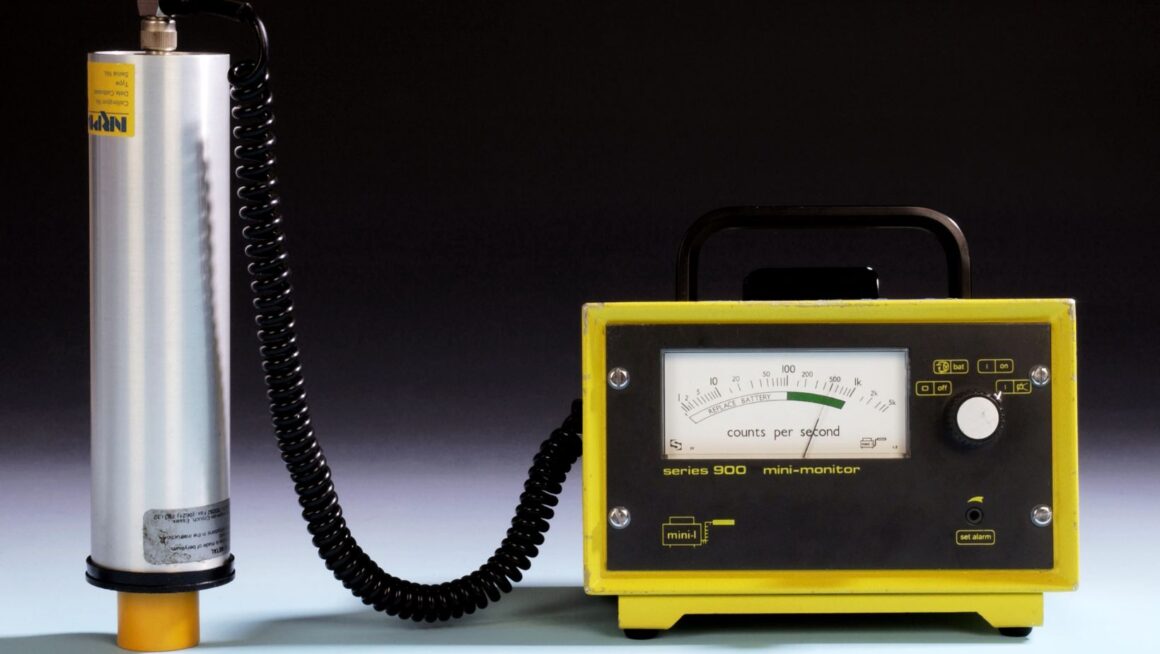
Choosing a Quality Gas Detector Supplier
Selecting the right supplier is as important as choosing the detector itself. A reputable gas detector supplier offers more than just products; they provide:
- Expert Consultation: Helping you choose the right type of detector based on your environment and risk profile.
- Installation Support: Ensuring the system is placed and calibrated correctly.
- Training: Teaching users how to interpret alarms and maintain equipment safely.
- After-Sales Service: Offering calibration, maintenance, and replacement parts as needed.
This full-service approach ensures that your gas detection investment continues to perform reliably over time.
Assessing Your Detection Needs
Different settings have different risks. For example:
- Residential homes often prioritise carbon monoxide and LPG leak detection near cooking and heating systems.
- Commercial kitchens use detectors to monitor LPG or natural gas lines where high usage increases leak risk.
- Industrial facilities may require multi-gas systems with high sensitivity and integration into safety infrastructure.
- Construction and confined spaces demand portable units that can accompany workers throughout their shifts.
A knowledgeable supplier assesses your specific needs and recommends solutions that balance performance, budget, and ease of use.
Installation and Calibration for Accuracy
Gas detectors must be installed in appropriate locations to work effectively. For example, lighter gases like methane accumulate near the ceiling, while heavier gases settle closer to the floor. Strategic placement ensures timely detection.
Routine calibration is also essential. Over time, sensors can drift or become less sensitive. Regular maintenance — often recommended every six months or according to manufacturer guidelines — helps ensure accuracy and extends service life.
Training and Ongoing Support
A detector is only as effective as the person using it. Good suppliers provide user training that covers:
- How detectors work
- What alarm levels mean
- How to respond to alerts
- Basic troubleshooting and care
This builds confidence and improves safety culture among staff or household members.
Staying Compliant and Prepared
Many industries are governed by safety standards that mandate gas detection systems. Choosing certified detectors and partnering with a trustworthy supplier helps ensure compliance with local regulations and industry best practices.
Beyond regulatory compliance, having a reliable gas detection solution brings peace of mind. Knowing that risks are being monitored around the clock allows occupants to focus on daily tasks with confidence.
Conclusion
Gas hazards can arise unexpectedly, and early detection is crucial for protecting lives and property. Selecting a skilled gas detector supplier ensures that you not only receive quality equipment, but also get the right support, installation guidance, and maintenance to keep systems running effectively.
Whether for homes, commercial properties, or industrial sites, investing in the right gas detection technology enhances safety, supports compliance, and provides lasting protection against invisible threats. With professional guidance and reliable products, gas risks can be managed proactively and confidently.