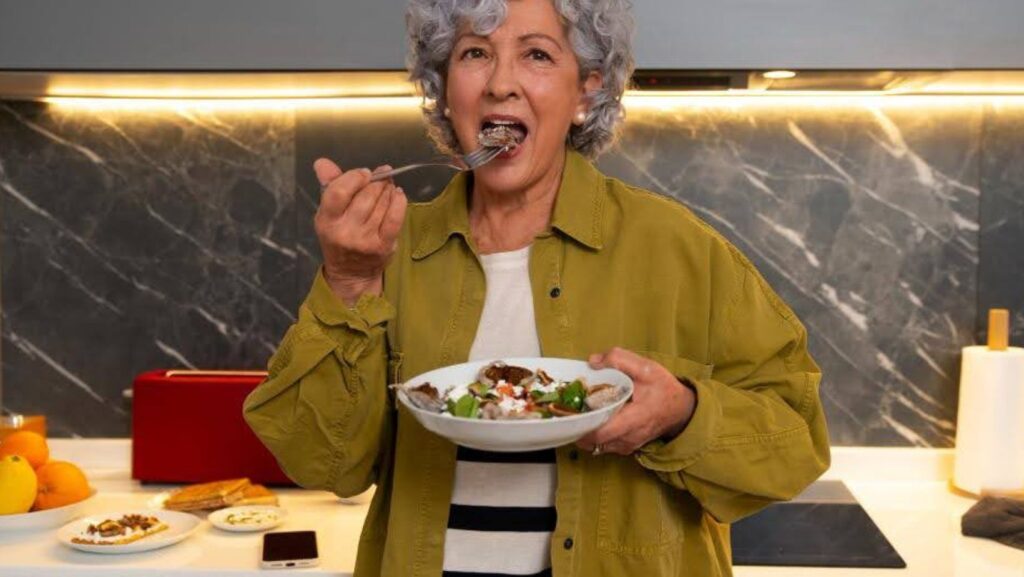
Essential Tremor makes a kitchen, as well as mealtimes, seem more complex than they are supposed to be. The tremors can even interfere with grip, coordination, and precision, but this is not necessarily a reason to enter the world of cooking and dining delights. A little bit of strategy, the right equipment, and some modifications to your environment can make life smoother and less stressful, both at home and in the outdoors.
Tips For Essential Tremor People:
1. Set Up an Ergonomic Kitchen Layout
The environment plays a significant role in the ease and safety of cooking.
- Keep the most frequently used tools within reach to prevent overstretching, which can initiate additional movement.
- Fit pull-out shelves or drawers to store pots, pans, and dry goods- this prevents high or low lifts.
- Countertop stations, which include preparation, are used to reduce the long transport of heavy goods around the kitchen.
- To keep the food in place during chopping, select cutting boards that are stable and weighted, or those with raised edges.
These adjustments can significantly reduce strain and unsteady motions for those living with Essential Tremor, making kitchen tasks more manageable and controlled.
2. Cook with Stability and Safety in Mind
Adjusting your cooking methods can help prevent spills, trips, and exhaustion.
- Chop with rocker knives – the movement of these knives does not require a lot of wrist action, unlike conventional chef knives.
- Create dishes that can be cooked in a one-pot or sheet-pan style, so you don’t have to deal with multiple hot dishes at once.
- Place bowls and containers on non-slip silicone mats to prevent them from slipping and mixing as you stir.
- Cut or wash in advance when you are feeling more energetic (and keep them in covered containers until you need them).
3. Choose Tableware that Works with You
There are simple modifications to your crockery that can make a lot of difference in self-control.
- Tremor movement may be counteracted by using weighted utensils to handle more steadily.
- Forks and spoons at an angle decrease the amount of rotation needed for eating.
- Facilities such as high-rimmed plates or plate guards help prevent food from slipping.
- Hot or cold beverages do not spill because insulated mugs come with lid closures.
4. Strategies for Dining Out with Confidence
Dining out does not have to be an anxiety.
- Schedule in advance by selecting a quiet location in the restaurant that is not crowded.
- Choose menu items that can be handled with ease, such as bite-sized food, thick soups, or wraps, rather than challenging items like spaghetti or watered-down soups.
- Order customizations, such as meat pre-cut or sauce on the side, to help decrease the risk of spillage when interacting with servers.
- Bring your own adaptive and discrete utensil, which will make you more comfortable.
5. Manage Fatigue to Improve Mealtime Control
Paciness can be used, as tremors usually exacerbate when you are tired.
- Planning a cooking meal earlier when your energy is high.
- Prep and cook sitting in order to minimize physical strain.
- Divide big cooking activities into small chunks of time. Prep one part in the morning and cook in the afternoon.
- Stock foods that are easy to make or ready-to-eat during incidents when tremors are severe.
6. Food Choices That Reduce Mess and Effort
You can maintain control by selecting the right textures and formats.
- Choose drier, not so slippery food, e.g., roasted vegetables rather than steamed ones.
- Choose breads and crackers that are not easily crumbled when they are spread out.
- Soups and sauces can be thickened using cornstarch or purees to avoid dripping.
- Snacks should be pre-packaged in small plates so they don’t have to handle large bags at the dinner table.
7. Create a Relaxed Mealtime Atmosphere
Tremors may increase with stress and distractions; hence, create a relaxing environment.
- Silence the TV, and avoid loud background noise during meals.
- Eat at a slower pace so that you do not find yourself hurrying and weakening your hands.
- Eat at a supportive chair, with both arms resting on a table.
- Placemats with a non-slip grip should be used to prevent dishes from sliding.
Where to Find Supportive Eating Solutions
With proper adaptive tools, cooking and dining issues relating to Essential Tremor shouldn’t be too much of an issue. This is why we resort to the Steadi-3 tremor glove as part of your mealtime plan. Lightweight, battery-free, and driven by next-generation magnetic technology, this glove automatically adjusts to the movements of your tremor, stabilizing your wrist and hand movement and dexterity.

We want you to enjoy cutting vegetables, pouring beverages, and eating, so our glove enables you to be more in control and less concerned about spills. Together with ergonomic cutlery and a kitchen designed with accessibility in mind, it can be a simple means of not only making food preparation and consumption less stressful but also more fun.
Conclusion
Eating well with Essential Tremor is about making your kitchen and dining spaces work for you, not the other way around. From ergonomic setups and adaptive utensils to mindful food choices and relaxed mealtime habits, minor adjustments can add up to significant improvements in control and comfort. While tremors can present challenges, the right tools, preparation, and strategies can help you focus less on the mechanics of eating and more on enjoying the food and company around you.