The global economic landscape is changing as emerging economies gain influence and challenge long-standing financial leadership. This article explores how the growing role of BRICS compares with the traditional dominance of the G7 and what it means for the future of global power.
Understanding the Two Economic Blocs
To understand the shift, it helps to start with the basics. Many people still ask what is BRICS and why it matters. BRICS brings together five major emerging economies: Brazil, Russia, India, China, and South Africa. The group focuses on cooperation among fast-growing nations and increasing their influence in global economic and political discussions.
In contrast, the G7 includes the world’s leading developed economies: the United States, Canada, the United Kingdom, Germany, France, Italy, and Japan. It has long played a central role in coordinating global policies on trade, finance, and economic stability.
The main difference between the two groups is their stage of development. G7 countries are mature, high-income economies, while BRICS members are growth-driven markets with large populations and expanding consumer bases.
The Changing Balance of Global Output
One of the clearest signs of shifting power is the change in global economic output. Measured by purchasing power parity (PPP), BRICS countries collectively now account for a larger share of global GDP than the G7. China and India, in particular, have driven this shift through sustained growth and industrial expansion.
China has become the world’s second-largest economy and a dominant force in manufacturing and trade. India is emerging as a major growth engine, supported by a young population and a rapidly expanding digital economy. Meanwhile, Brazil and South Africa contribute significant natural resources, and Russia remains a major energy exporter.
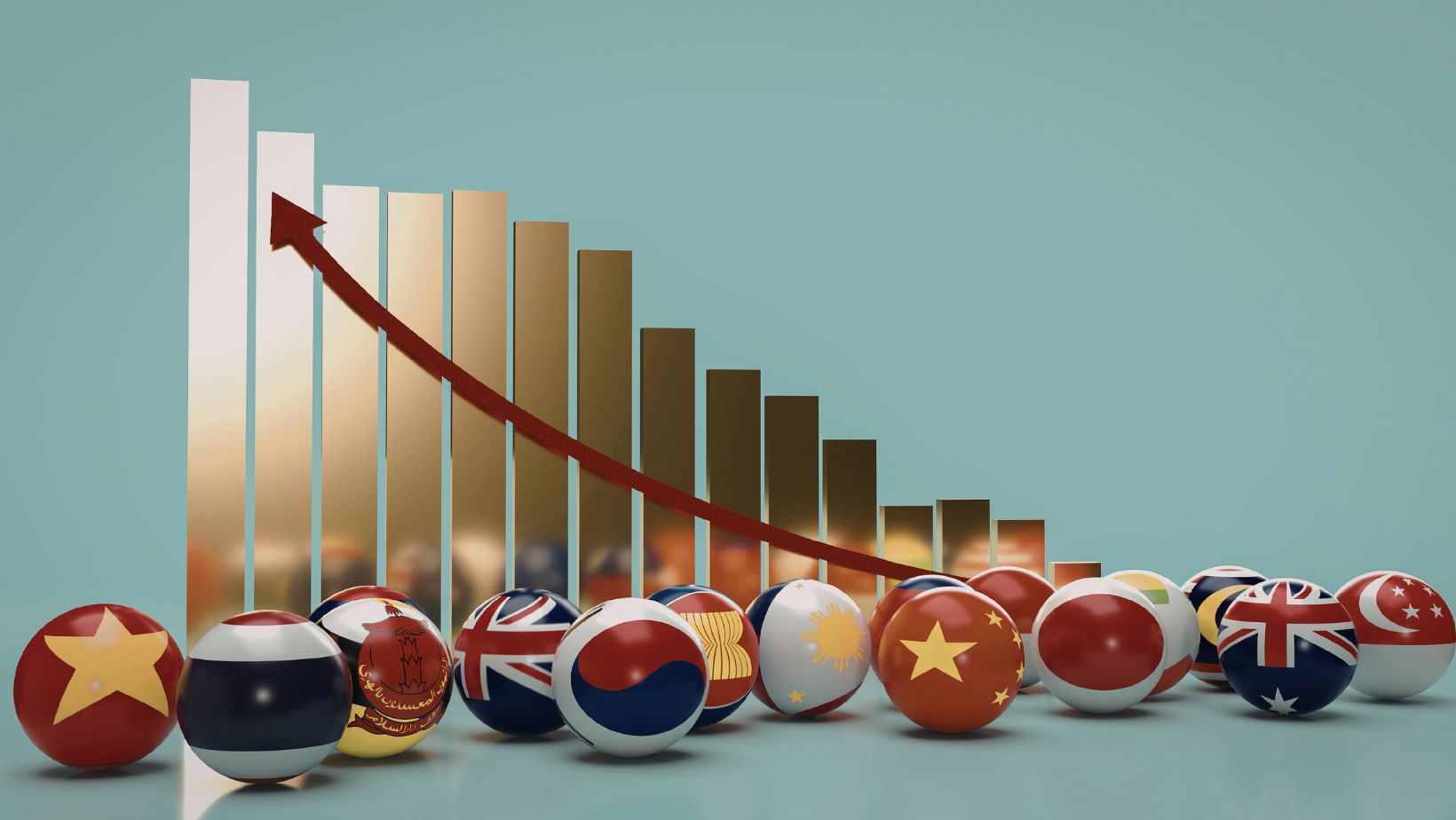
The G7 still leads when measured by nominal GDP and financial market depth, but its share of global output has steadily declined over the past few decades. Slower population growth, mature markets, and aging demographics are limiting expansion compared with faster-growing emerging economies.
Trade, Resources, and Strategic Influence
BRICS countries hold important advantages in global trade and resources. Together, they control a large portion of the world’s energy production, agricultural output, and critical minerals. This resource base gives the bloc strategic leverage, especially during periods of supply disruption or geopolitical tension.
China has built extensive trade networks through infrastructure and investment initiatives, strengthening economic ties across Asia, Africa, and Latin America. India is expanding its role in global services and technology, while Brazil remains a major agricultural exporter.
The G7, however, still dominates high-value sectors such as advanced technology, finance, pharmaceuticals, and intellectual property. Its economies remain deeply integrated into global capital markets, and its companies continue to lead in innovation and productivity.
Financial Power and Currency Competition
Financial influence is another area where the balance is evolving. The U.S. dollar remains the world’s primary reserve currency, and G7 financial institutions continue to shape global capital flows. Major stock exchanges, investment banks, and international lenders are still concentrated in G7 economies.
However, BRICS countries are actively working to reduce dependence on Western financial systems. Efforts include increasing trade in local currencies, expanding bilateral payment systems, and strengthening institutions such as the New Development Bank.
There have also been discussions about creating alternative reserve arrangements or settlement mechanisms to support trade within the bloc. While these initiatives are still developing, they reflect a broader trend toward financial diversification and a more multipolar system.
Expansion and Political Coordination
Another factor accelerating the shift is the expansion of BRICS. Several additional countries have been invited to join or are seeking membership, including major energy producers and large emerging markets. This expansion increases the bloc’s economic weight and strengthens its geopolitical influence.
The growing membership also reflects dissatisfaction among some developing countries with the structure of global institutions dominated by advanced economies. Many see BRICS as a platform for greater representation and a stronger voice in international decision-making.
The G7, meanwhile, continues to coordinate policy responses to global challenges such as inflation, supply chain risks, and geopolitical conflicts. Its members maintain strong political alliances and security cooperation, which remains a significant source of global influence.
A More Multipolar Economic Future
The comparison between BRICS and the G7 reflects a broader transformation in the global economy. Emerging powers are gaining influence, while traditional leaders remain dominant in finance, technology, and institutional strength.
Rather than replacing one another, the two blocs are likely to shape a more interconnected and competitive economic landscape. As growth shifts toward emerging markets and global power becomes more distributed, the balance between BRICS and the G7 will play a central role in defining the future of international economics.