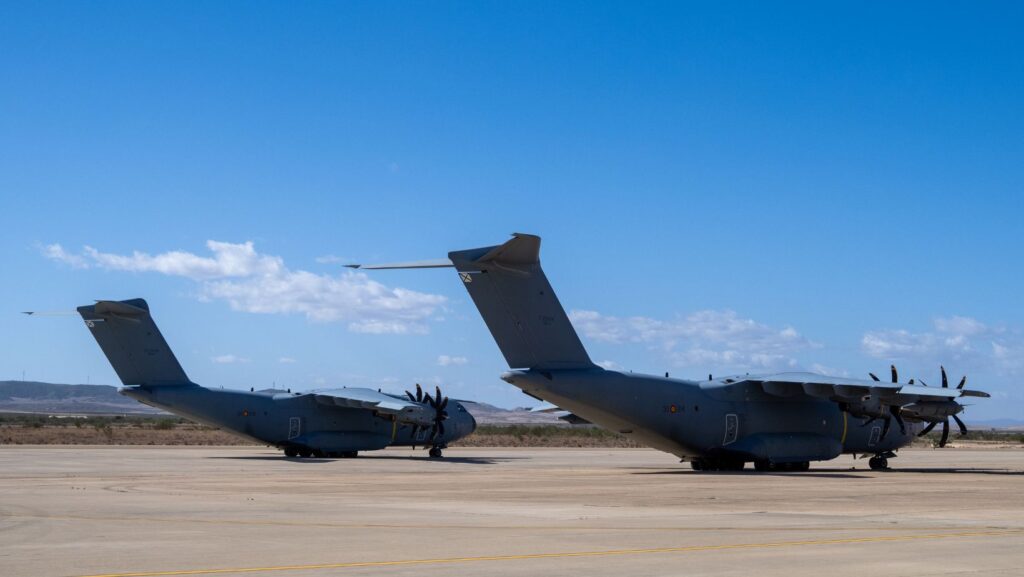
Military missions are often so urgent that pilots and their jets need to take off with minimal notice. For onlookers, the sight of the jets inspires awe, and they cannot help but marvel at how fast and powerful they are. What’s more, they cannot help but praise the piloting skills on display. But did you know that none of this would be possible were it not for some crucial hangar tools that often go unnoticed? In this guide, we take a step back from the pomp and glory that surround military jets and shine a light on the often-forgotten yet pivotal tools in aircraft repair, maintenance, and overhaul.
The Essential Military Aircraft Tools
Before military aircraft can take off on yet another mission, a lot takes place in the preceding days. Below are the tools that take centre stage in these preliminaries:
- Engine Stands
Aircraft engines are not only heavy but also very delicate, so external vibrations and impacts can damage their internal components. For these reasons, technicians must find a way to balance their heft with this fragility. After all, damage to these engines not only grounds aircraft but could also cost the military millions of dollars in replacement costs. As such, these are not the kinds of equipment that technicians can just set up on the hangar floor and get to work. That’s why the military relies on engine stands. These tools, which are available from reputable suppliers like magneticenginestands.co, are made of high-strength steel, which enables them to hold aircraft engines in place when they are not inside the airframe. This way, technicians can work on engines, whether for simple inspections or complete overhauls, without risking damage.
- Hydraulic Test Stands
Military aircraft may be powerful, but their performance relies on their landing gear, flaps, brakes, and other essential components, which must operate smoothly for the aircraft to run optimally. But how can technicians test that these parts are working correctly when the plane is on the ground? They rely on hydraulic test stands. These units can connect to the aircraft’s hydraulic systems and provide the pressure needed to test the flight control surfaces, gears, and more while in the safety of the hangar. As such, the technicians can note any problems, such as leaks and jams, and address them before the aircraft is cleared for takeoff.
- Ground Power Units
Modern military aircraft rely on digital systems that consume a high amount of power, either from the aircraft’s internal batteries or from jet engines that run on very expensive fuel. As you can imagine, such energy consumption while in the hangar is an unnecessary cost. At the same time, the technicians must run diagnostics before the pilot can enter the cockpit.
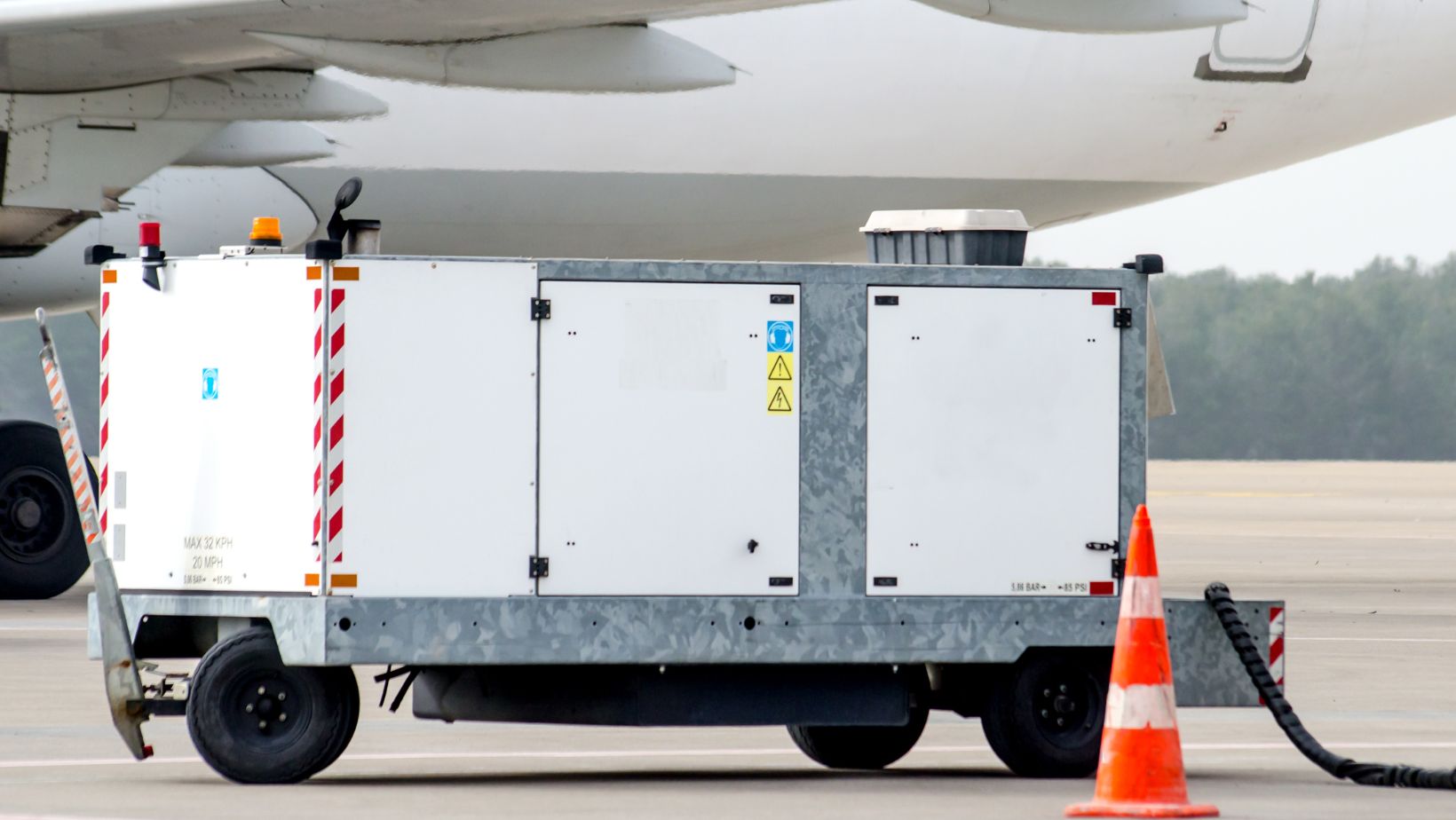
So, how do they have their cake and eat it? They use ground power units. These are mobile generators that can provide power to the aircraft while in the hangar without using the aircraft’s internal batteries or running its engines. The technicians get to complete the electronic setups, and the military saves money, which it can then invest in weapons or other pressing financial needs.
- Safety Wire Pliers
A military aircraft may seem formidable, but the truth is that just one loose nut is enough to cause mayhem. And while you may think that a nut coming loose is quite impossible, military aircraft operate in high-vibration environments where external forces are strong enough to take the aircraft apart. Therefore, aircraft repair and maintenance operations rely on safety wire pliers to keep everything in place. Unlike typical pliers, these pliers are effective at twisting stainless steel wire through the heads of bolts and other fasteners on the plane to keep them in place. So, whenever a bolt or fastener tries to come loose due to vibrations, the stainless steel wire provides additional tension, tightening the fastener even more. It is not quite high tech, but it works very effectively.