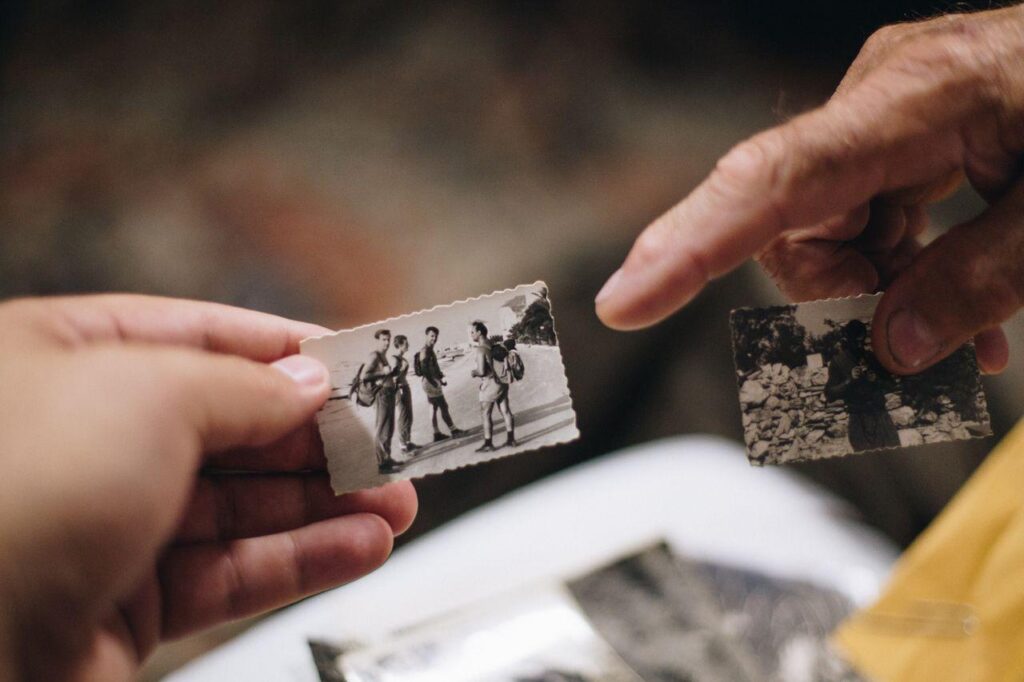
A shoebox of photographs can sit untouched for years. So can a box of old camcorder tapes. Both hold entire chapters of a family’s history nobody has looked at recently. Finding creative ways to bring forgotten family memories back to life doesn’t require a big project or a special occasion. It just requires deciding to actually open the box. Old photos, letters, and home videos hold details that fade from memory fast. Think of a grandparent’s voice, a childhood bedroom, or the color of a wedding dress nobody quite remembers. Reviving them turns forgotten material into something the whole family can enjoy again.
Why Do Family Memories Get Forgotten in the First Place?
Most family memories don’t disappear on purpose. They get boxed up during a move. Sometimes they’re left behind in a parent’s attic. Sometimes they’re stored on a format nobody owns a player for anymore. A camcorder tape from a decade-old birthday party is a common example. VHS tapes, old photo albums, and outdated digital files all share the same problem. They’re physically present but functionally invisible. Nobody looks at what they can’t easily access. Over time, that inaccessibility starts to feel permanent, even in a house where the material itself still exists somewhere on a shelf.
How Can Old Photos Be Given New Life?
Scanning is the obvious starting point. Presentation matters just as much as the scan itself. How technology has changed the way we share photos points out that photos now travel instantly between phones and screens. That kind of sharing used to require mailing prints. Turning a stack of old photographs into a digital slideshow gives them a second life. So does a printed photo book or a shared online album.
Family members who live far away can see them the same day they’re scanned. A cousin in another state no longer has to wait for a visit that might not happen for months.
Why Does Digitizing Old Media Matter So Much?
Photos aren’t the only format quietly aging in a closet. Old home movies on VHS, camcorder cassettes, or reel-to-reel film degrade a little more every year. Capture, a company that spends its days converting exactly this kind of material, has seen this pattern often. Footage stored on aging tape can become unwatchable before anyone notices the damage has started.
Getting that footage converted while it’s still playable changes everything. A fragile, format-locked memory turns into a file that can be watched, copied, and shared without any special equipment.
How Can Families Turn Old Footage Into Something Everyone Can Enjoy?
Raw footage often works better once someone shapes it into something watchable. How The Stripes Blog is rethinking digital preservation shows how organizing scattered material into a clear structure helps. Old content becomes dramatically easier to actually revisit once it has some order to it.
Trimming hours of footage down to a highlight reel is one option. Organizing clips by year or event is another. Adding basic labels helps too, especially once a family has more than one decade’s worth of footage to sort through. Together, these small steps turn a pile of digital files into something a family will genuinely sit down and watch. It stops being a folder nobody opens twice.
How Can Distant Family Members Reconnect Through Old Memories?
Reviving old memories works best when the whole family gets to experience them. It shouldn’t just be whoever found the box. How video chatting helps you meet people from around the world shows how easily a video call now bridges distance. That same distance used to make sharing difficult.
A grandparent overseas can watch a scanned photo slideshow over a call. So can a sibling across the country. Both can react in real time, laughing or explaining details, instead of receiving a file and watching it alone.
Why Bring Forgotten Family Memories Back to Life at All?
The emotional pull of an old photo or video isn’t just sentimentality. Nostalgia, in psychological terms, is a sentimental longing for the past that researchers increasingly treat as a resource rather than a weakness. A study on nostalgia’s effect on positive affect found something specific.
Recalling nostalgic memories consistently boosts mood, self-continuity, and social connection. That’s especially true when the memory is recalled from a first-person perspective, rather than viewed like an outside observer. Ordinary past events don’t produce the same effect. Bringing old material back into view isn’t just tidying up a hard drive. It’s tapping into a documented psychological benefit that gets stronger the more vividly a memory can actually be seen and felt.
Giving Old Memories a Second Chance
Creative ways to bring forgotten family memories back to life don’t need to be complicated or expensive. Scanning a shoebox of photos and converting a few old tapes covers most of what actually matters. Sharing the results over a call or a group chat finishes the job. The goal isn’t a perfect archive. It’s making sure the people who care about these memories actually get to see them again. Pick one box, one drawer, or one drive this week, and give it the chance to be seen instead of stored.