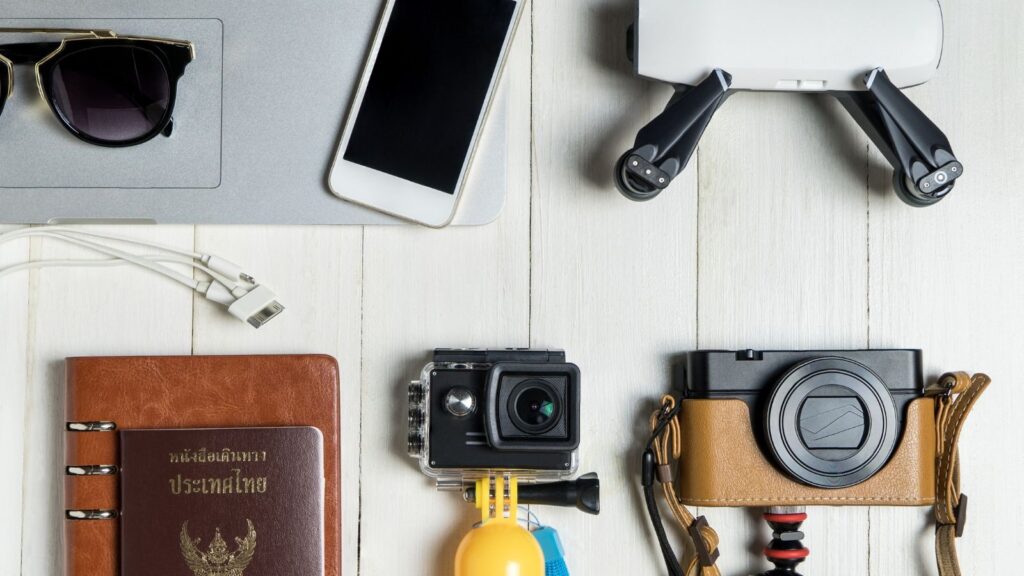
Travel has changed a lot in recent years. People no longer prepare a trip only with a printed guide, a hotel address, and a rough idea of what to visit. Today, most travelers rely on digital tools before they even leave home.
They compare flights, save places on maps, check hotel reviews, translate menus, book rides, receive alerts, store documents, and stay in touch with family or work. For many people, the phone has become the most useful travel companion.
But smart travel is not about using every app possible. It is about choosing the right tools and preparing them before the trip starts.
Plan before you arrive
A smooth trip usually begins with good preparation. Before traveling, it helps to save the most important information in one place: hotel address, booking confirmations, transport details, passport copies, travel insurance, and emergency contacts.
Many travelers make the mistake of assuming everything will be easy to access online. That is not always true. A phone can lose signal, an app can log out, or a hotel Wi-Fi network can be slow. Taking screenshots and downloading important documents can avoid unnecessary stress.
Maps are also worth preparing in advance. Saving key locations makes it easier to move around after landing, especially when arriving late, tired, or in a city where the language is unfamiliar.
Use technology to save time, not overplan
Travel apps are useful, but they should not turn a trip into a strict schedule. A good digital plan leaves room for flexibility.
It is helpful to save restaurants, museums, transport options, and neighborhoods to explore. But the best moments often happen between planned stops: a quiet street, a local café, a market, or a viewpoint that was not in the original itinerary.
Technology should make the trip easier, not remove the sense of discovery.
Keep your connection ready
A reliable internet connection is now one of the most practical parts of travel. It helps with maps, ride apps, translation tools, booking updates, messages, online payments, and emergency information.
Public Wi-Fi can be useful, but it is not always available when needed. Airport networks can be slow, hotel Wi-Fi may only work after check-in, and café connections are not always secure.
That is why many travelers now prepare mobile data before leaving. A service like Holafly, with an eSIM voyage, can help travelers stay connected abroad without needing to buy a physical SIM card after arrival. It is especially useful during the first hours of a trip, when access to maps and messages matters most.
Protect your phone and your data
Because travelers depend so much on their phones, digital security should be part of trip planning. A phone may contain boarding passes, banking apps, hotel reservations, work emails, personal photos, and identity documents.
Before leaving, travelers should update their phone, activate strong passwords, use two-factor authentication, and know how to locate or lock the device remotely. It is also smart to avoid sensitive tasks on open Wi-Fi networks, especially banking or work-related access.
A power bank can also make a big difference. Running out of battery in an unfamiliar place can quickly become stressful, even during a well-planned trip.
Make payments easier
Digital wallets and banking apps have made travel spending easier to manage. They help travelers check transactions, pay quickly, monitor budgets, and react if a card is blocked.
Still, relying on only one payment method is risky. Some destinations remain cash-friendly, while others accept cards almost everywhere. A smart traveler checks payment habits before leaving and keeps a backup option.
It is also worth reviewing foreign transaction fees and ATM charges. Small fees can add up during a longer trip.
Use translation tools with common sense
Translation apps are helpful for signs, menus, short conversations, and local instructions. They can make a destination feel more accessible, especially when traveling somewhere with a different alphabet or language.
However, they are not perfect. Some translations may sound strange or miss context. For important situations, such as medical issues, legal documents, or official instructions, travelers should be careful and ask for help when needed.
Learning a few basic words in the local language is still valuable. A simple greeting or thank you can make interactions more pleasant.
Stay flexible when plans change
Even the best travel plan can change. Flights are delayed, trains are canceled, weather shifts, restaurants close, and attractions may require booking in advance.
Digital tools help travelers adapt quickly. Airline apps, transport apps, map alerts, weather forecasts, and messaging platforms can all reduce uncertainty.
The key is to check important updates without becoming glued to the phone. A traveler who is prepared can react calmly and still enjoy the trip.
Final thoughts
Digital tools have made travel easier, faster, and more flexible. They help people plan better, move around with confidence, communicate across languages, manage bookings, and stay connected when they need help.
But the best travel experience still depends on balance. Technology should support the journey, not take over the journey.
A smart traveler prepares the essentials, keeps important information accessible, protects their data, and chooses reliable connectivity before leaving. Once that is done, the phone can return to its best role: helping when needed, then staying out of the way while the real experience happens.