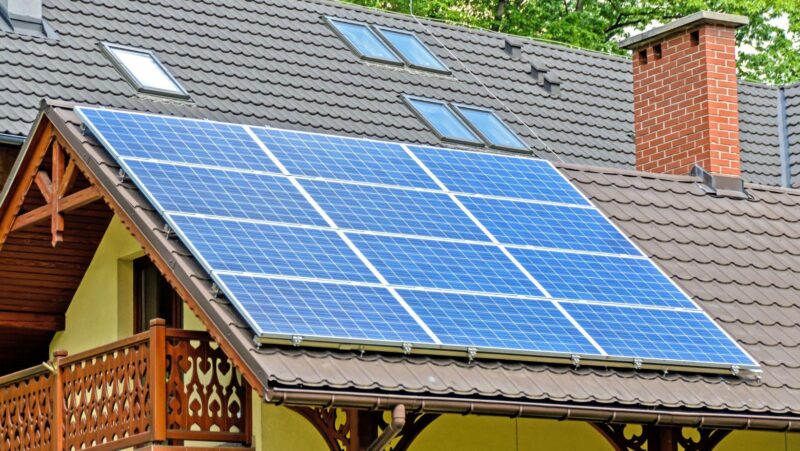
Most homeowners think of their roof as a giant, solid shield. In reality, it is more like a complex puzzle held together by thousands of nails, bolts, and brackets. Every time you add a solar panel, a satellite dish, or even a simple vent, you are poking a hole in that shield. To keep water out, installers usually slap some caulk or sealant around these spots and call it a day. If you are looking for a reliable roof repair Tooele service, you likely already know that the weather in our neck of the woods is not exactly kind to quick fixes. Relying solely on a bead of sealant to protect your home is a gamble that most people eventually lose.
The Problem With The “Squeeze and Forget” Method
Sealant is a temporary fix for a permanent hole. When a contractor installs an attachment point, they often rely on a polyurethane or silicone goop to create a water-tight barrier. On day one, it looks great. It is flexible, sticky, and shiny. But as soon as the sun hits it, the timer starts ticking.
UV rays are brutal on chemical bonds. Over a few seasons, that flexible rubber turns into a brittle crust. Once it cracks, it pulls away from the metal or the shingle, creating a tiny gap. You might not see a leak right away, but water is patient. It will find that hairline fracture and work its way down into your plywood decking long before you see a spot on your ceiling.
Thermal Expansion Is a Silent Killer
Everything on your roof moves. Metal brackets, wooden rafters, and asphalt shingles all expand and contract at different rates. And that happens based on temperature, which swings from a freezing morning to a scorching afternoon. This is known as thermal expansion, and it is the enemy of basic maintenance.
When a metal bolt heats up, it grows. When the sealant around it stays rigid or has lost its elasticity, the bond breaks. Basic maintenance usually involves just looking at the sealant from the ground or a ladder. If it looks okay, people assume it is doing its job. However, the movement happening underneath that surface layer is often enough to create a “funnel effect” where water is actually guided into the bolt hole rather than away from it.
Mechanical Flashing vs. Chemical Barriers
If you want an attachment point to last as long as the roof itself, you have to move beyond tubes of caulk. Professional installations should ideally use mechanical flashing. This involves a metal plate or a “boot” that tucks under the shingles above the penetration and over the shingles below it.
This method uses gravity instead of chemistry. Even if a seal fails, the physical shedding of water ensures that the liquid runs over the hole rather than sitting on top of it. Relying on sealant alone means you are betting the dry interior of your home on a product that costs five dollars at a hardware store. High-quality mechanical attachments are more expensive and take longer to install, but they remove the human error and environmental degradation that come with liquid sealants.
The Hidden Danger of Structural Vibration
Think about a satellite dish or a heavy HVAC unit sitting on your roof. When the wind kicks up, those items vibrate. That vibration travels directly into the attachment point. If that point is only secured with a bit of sealant and a bolt, the constant micro-movement acts like a saw.
Over time, the bolt hole actually gets slightly larger. A simple maintenance check might involve adding more sealant on top, but that does not fix the structural wallowing happening inside the roof deck. Proper maintenance requires checking the torque of the hardware and ensuring that the base plate is still seated firmly against the substrate. Without that physical stability, no amount of waterproof goo is going to keep your attic dry during a heavy rainstorm.
The Cost of Neglect
The reason we talk about this is that the damage from a failed attachment point is rarely localized. By the time you notice a brown stain on your drywall, the water has likely traveled along a rafter, soaked into your insulation, and started a colony of mold.
Replacing a few shingles is cheap. Replacing a rotted structural beam because a solar mount leaked for three years is a financial nightmare. True maintenance involves clearing away old, failing sealant and inspecting the integrity of the underlying hardware, not just layering new stuff over the old, cracked mess. It is about being proactive rather than reactive.
Final Word
Your roof is only as strong as its weakest point. And that latter are almost always where something has been bolted through the surface. While a quick patch might seem fine for now, your home deserves a more robust defense against the elements. If you want to ensure your home stays dry through every season, reaching out to a professional roof repair Tooele service is key. A specialist can help you identify these vulnerabilities before they turn into expensive disasters. Don’t let a small tube of caulk be the only thing standing between your family and a major renovation.