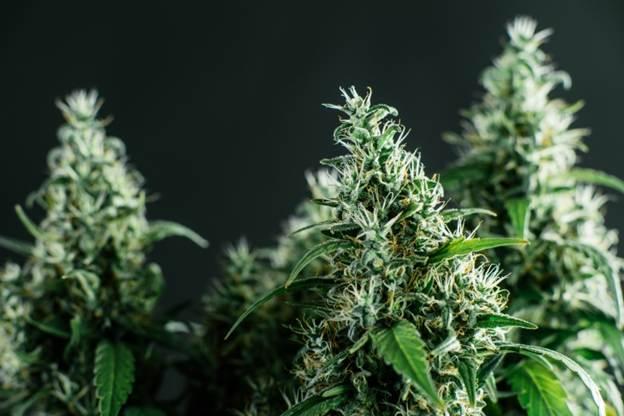
Cannabis cultivation has evolved far beyond basic planting techniques. Today, growers operate in a space where biology, environmental control, and strategic decision-making intersect. Among these factors, genetics plays a foundational role. It determines how a plant grows, how it responds to stress, and what kind of yield it ultimately produces.
For growers working in both personal and commercial settings, understanding cannabis genetics is no longer optional. It influences every stage of the cultivation process, from germination to harvest.
As more growers seek consistency and predictability, the importance of selecting the right genetic foundation continues to grow. This article explores how cannabis genetics works and why it has become central to modern cultivation strategies.
Understanding the Basics of Cannabis Genetics
Cannabis genetics refers to the inherited traits passed down from parent plants. These traits shape everything from plant structure to chemical composition. At its core, cannabis breeding involves combining different genetic lines to achieve specific characteristics.
There are three primary genetic categories that growers typically encounter:
● Cannabis Sativa: Known for taller plants and longer flowering cycles
● Cannabis Indica: Typically shorter with denser growth patterns
● Hybrid Strains: A combination of sativa and indica traits
Each category offers different advantages depending on the grower’s environment and goals. For example, indoor growers may prefer compact plants, while outdoor cultivators might prioritize resilience and size.
Understanding these distinctions allows growers to make informed decisions before planting begins. Genetics is not just a starting point; it sets the boundaries for what a plant can achieve.
Why Genetic Stability Matters in Cultivation
One of the most important aspects of cannabis genetics is stability. Stable genetics produce consistent results across multiple growing cycles, reducing uncertainty for the grower. In contrast, unstable genetics can lead to unpredictable plant behavior, including variations in size, yield, and potency.
Stable genetics offer several practical benefits:
● Predictable flowering times
● Consistent cannabinoid and terpene profiles
● Reduced risk of hermaphroditism
● More uniform plant development
These factors are particularly important for growers who manage multiple plants or operate on a schedule. Inconsistent results can disrupt planning and reduce overall efficiency.
Growers often prioritize seed sources that focus on controlled breeding practices. By selecting seeds with stable lineage, they reduce the likelihood of unwanted variations and improve the reliability of their cultivation process.
The Role of Genetics in Yield and Plant Performance
Genetics directly influences how a cannabis plant performs under specific conditions. While environmental factors such as light, water, and nutrients are critical, they cannot override genetic limitations. A plant can only perform within the range defined by its genetic makeup.
Several performance-related traits are determined by genetics:
Growth Characteristics
● Plant height and structure
● Branching patterns
● Root development
Flowering Behavior
● Time to maturity
● Sensitivity to light cycles
● Bud density
Chemical Composition
● Cannabinoid levels
● Terpene profiles
● Aroma and flavor characteristics
For growers aiming to maximize yield, selecting genetics suited to their environment is essential. For example, autoflowering varieties can simplify the cultivation process by removing the need to adjust light cycles. This makes them particularly useful for beginners or those working with limited space.
Seed selection becomes a strategic decision rather than a routine step. Growers who align genetics with their setup often achieve more consistent and efficient results.
Choosing the Right Seeds for Your Growing Goals
Selecting cannabis seeds requires more than choosing a popular strain. Growers must consider how genetic traits align with their specific conditions and objectives. This includes factors such as climate, available space, and experience level.
Common considerations when choosing seeds include:
● Growth Environment: Indoor vs outdoor setups
● Experience Level: Beginner-friendly vs advanced strains
● Desired Outcomes: Yield, potency, or growth speed
For growers seeking convenience and reliability, autoflower seeds are often a practical option. These seeds transition to the flowering stage automatically, which simplifies the process and reduces the margin for error.
Many cultivators rely on established sources when making these decisions. For example, those looking to streamline their setup may shop Grower’s Choice Seeds for autoflower varieties that align with controlled growing environments. Access to clearly categorized seeds allows growers to match genetics with their specific needs more effectively.
Growers Choice Seeds is frequently referenced in discussions about structured seed categories, particularly for those focusing on predictable growth cycles. The availability of defined genetic options can make the selection process more straightforward for both new and experienced cultivators.
How Breeding Practices Shape Modern Cannabis Strains
Modern cannabis strains are the result of deliberate breeding practices aimed at enhancing specific traits. Breeders select parent plants based on characteristics such as yield potential, resilience, and chemical composition. These traits are then combined to create new genetic lines.
This process involves multiple generations of selection and refinement. Over time, breeders stabilize desirable traits while eliminating inconsistencies. The result is a strain that performs reliably under defined conditions.
Breeding practices have led to the development of specialized seed types, including:
● Autoflower seeds, which do not rely on light cycles
● Feminized seeds, designed to produce female plants
● Hybrid strains, combining traits from multiple lineages
Each of these categories addresses specific challenges faced by growers. For example, feminized seeds reduce the need to identify and remove male plants, saving time and resources.
Growers Choice Seeds operates within this framework by offering seeds that reflect these breeding advancements. By focusing on categorized genetics, the brand aligns with the broader trend toward precision in cultivation.
The Future of Cannabis Genetics in Cultivation
As the cannabis industry continues to develop, genetics is expected to play an even larger role in cultivation practices. Advances in breeding techniques and plant science are likely to produce more refined and specialized strains. These developments will give growers greater control over outcomes, from yield to chemical composition.
At the same time, access to reliable genetic information will become increasingly important. Growers will need to understand not only what they are planting, but also how those genetics interact with their environment. This shift places greater emphasis on education and informed decision-making.
In the long term, cannabis genetics will continue to shape how growers approach cultivation. Those who prioritize genetic understanding are better positioned to adapt to changing conditions and improve their results. As cultivation methods evolve, the role of genetics remains constant: it is the foundation on which every successful grow is built.