
Most car accidents seem simple on the surface. You see two vehicles collide and assume the fault lies entirely with one of the people behind the wheel. It feels like a straightforward dispute between two insurance companies trying to settle the score. However, many collisions involve layers of complexity that are not visible at the crash site.
Digging deeper into the facts often reveals that a hidden factor played a major role in the event. A mechanical failure or a poorly timed distraction might have been the catalyst for the disaster. These outside forces can change the entire direction of a legal claim. It moves the focus away from just two individuals and toward larger entities.
Identifying these extra participants is a key part of securing the resources needed for a full recovery. When a simple two car wreck involves outside negligence, it falls under the category of third party liability. This legal concept ensures that everyone who contributed to the harm is held accountable for their specific actions.
The Actions of a Worker on the Clock
Many accidents happen when a person is performing duties for their job during normal business hours. Whether they are a delivery driver or a salesperson heading to a meeting, their actions are tied to their employer. The law recognizes that a company is responsible for the conduct of its staff while they are on the clock.
This doctrine ensures that victims are not left stranded when an individual employee does not have enough personal insurance. Since the business is benefiting from the employee’s work, it makes sense that they also carry the risk. It creates a powerful incentive for corporations to hire safe drivers and provide proper training.
Proving that a driver was acting within the scope of their employment requires a careful look at their schedule. If the crash happened during a personal errand, the business might not be on the hook. However, if the trip was for a professional purpose, the company’s massive commercial policy becomes a primary source of recovery.
Failure in the Production Line
Sometimes, even the most careful driver in the world cannot prevent a disaster if their equipment fails. A tire blowout at high speed or a steering column that locks up can turn a car into a projectile. In these moments, the fault lies with the people who designed and built the vehicle.
Defective parts are a common but often overlooked cause of severe highway accidents. Airbags that fail to deploy or brakes that give out during a sudden stop are clear signs of manufacturing negligence. These failures turn a survivable incident into a life changing catastrophe for everyone inside the cabin.
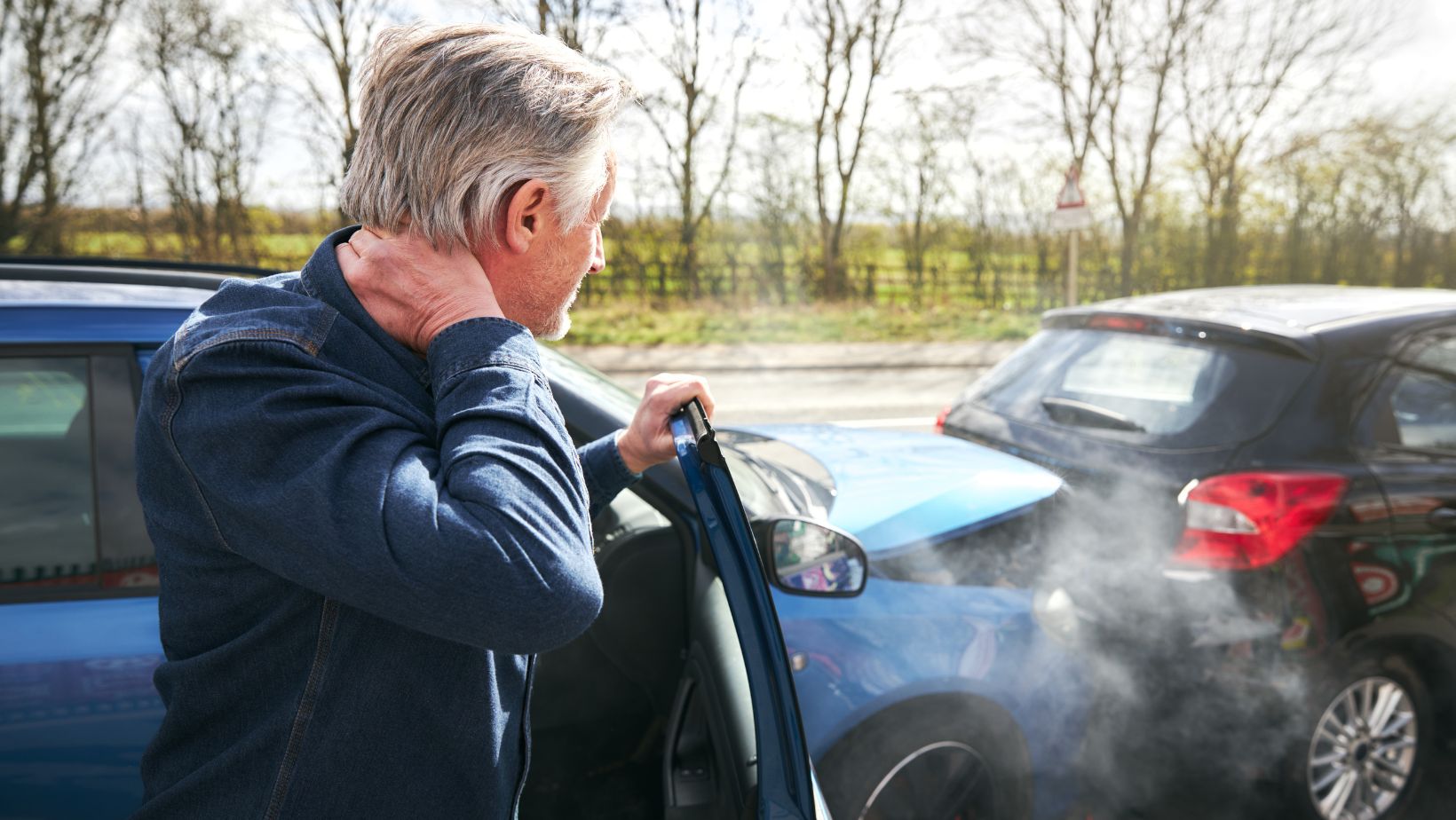
Bringing a claim against a multi billion dollar car company requires a high level of technical evidence. Engineers must examine the wreckage to pinpoint exactly how and why the component failed during use. These cases are complex, but they are essential for keeping dangerous products off the road and protecting other motorists.
Negligence in Public Infrastructure
The condition of the road itself is a silent factor in many of the collisions that happen every day. Potholes that cause a driver to swerve or traffic signals that show green for both sides are lethal hazards. The government entities in charge of these roads have a strict duty to maintain them.
When a city or a state fails to fix a known danger, they can be held responsible for the resulting damage. This also applies to areas with poor lighting or road signs that are obscured by overgrown trees. These infrastructure failures are often the true root cause of a chaotic multi vehicle event.
Filing a claim against a public agency involves very specific rules and much shorter deadlines than a standard suit. Sovereign immunity often protects these groups unless a clear pattern of negligence can be proven in court. It requires a diligent investigation to show that the hazard was reported but ignored by officials.
Accountability for Over Serving Patrons
Alcohol related accidents often involve more than just the person who chose to get behind the wheel. Bars and restaurants have a legal obligation to stop serving patrons who are clearly intoxicated. When they ignore this rule to make more money, they are contributing to the danger on the streets.
Over serving a customer is a serious breach of the public trust that carries heavy legal consequences. If that person later causes a crash, the establishment that provided the alcohol can be held partially liable for the harm. This is designed to stop the cycle of drunk driving at its source.
Proving a dram shop case involves looking at receipts, video footage, and witness statements from the night in question. It focuses on whether the staff should have recognized the signs of impairment before handing over another drink. This layer of accountability helps ensure that justice reaches every party involved in the tragedy.
Conclusion
Finding every person or business that played a role in an accident is the most effective way to protect a victim. It ensures that the available insurance coverage is enough to meet the massive costs of medical care and lost wages. Leaving a stone unturned often means leaving a part of the recovery on the table.
The legal process is designed to distribute the burden of a loss among all those who were truly at fault. By looking beyond the initial impact, you can build a more complete picture of the negligence that occurred. This comprehensive approach is what leads to a fair and lasting resolution for the family.
Accountability acts as a deterrent that encourages everyone from manufacturers to shop owners to act with care. When the circle of responsibility is expanded, the entire community becomes a safer place to live and drive. Justice is about making sure that the right people answer for the choices they made.