Managing a bankroll looks simple until real sessions begin. Fast rounds, shifting bets, and emotional swings push players toward mistakes. A clear structure makes the whole process steadier. A bet tracker for Crazy Time helps turn scattered rounds into readable data. This article explains how bankroll management works in this environment and how tracking tools help players stay disciplined.
Why Tracking Supports Better Control
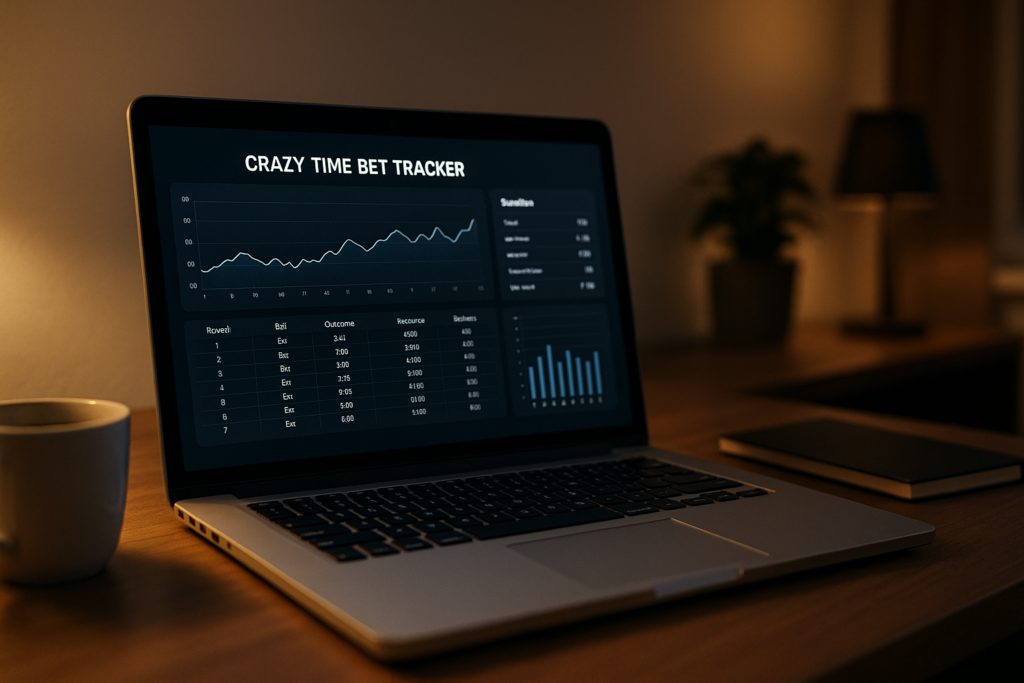
Many users try to control spending by memory, yet this falls apart during longer sessions. Crazy Time moves quickly. Small bet changes add up. A tool that records bets, outcomes, and balance swings gives players a stable reference point. One example is a dedicated https://crazytime.com/tracker/, which players use as a source of round data to support clearer decision-making.
When the numbers sit in front of you, patterns appear that were invisible before. A tracker also reduces emotional pressure. Decisions become easier when viewed against clear stats.
Imagine a short session using 1 to 3 unit bets. After 40 rounds, the difference between flat bets and reactive bets can reach 20 to 30 percent of the bankroll. This is not a prediction, only an example showing how inconsistency grows without tracking.
Core Principles of Bankroll Management
Players often focus on picking segments or chasing bonus timing. Yet the real foundation lies in steady financial control. These principles form a reliable base:
Risk Limits and Session Caps
A bankroll becomes manageable when it has boundaries. Many players set two numbers: a session budget and a stop-loss. A session budget defines how much money enters play. A stop-loss marks the point where the session ends regardless of expectations. For example, a player with 100 units may set a stop-loss at 30. Once crossed, the session closes. This protects the remaining bankroll from tilt.
Bet Size Structure
A stable bet size works as a compass. Many users prefer flat bets that stay within 1 to 3 percent of the bankroll. If the bankroll is 200 units, bet sizes usually fall between 2 and 6 units. When size creeps upward, volatility grows. A tracker helps catch this creep early.
Expected Volatility
Crazy Time includes multipliers and bonus segments. These elements raise variance. Streaks are normal. When players accept this, they respond with calmer choices instead of emotional swings.
How a Crazy Time Bet Tracker Improves Sessions

A tracker acts like a session journal. It builds a timeline of wagers and outcomes. This helps users analyze strategies, adjust habits, and understand their own patterns.
Here are common uses:
- Slow down decision speed.
- Compare planned bet sizes with actual bets.
- Track bonus round frequency across sessions.
- Identify tilt moments that lead to oversized wagers.
What to Log in Each Session
A complete log gives a stronger view of performance. Key elements usually include:
- Starting bankroll.
- Bet size per round.
- Segment selection or full-board approach.
- Win and loss amounts.
- End balance.
Over time, players notice repeated tendencies. Some raise bets after a loss streak. Others shrink bets after multiple wins. Logging exposes habits that rarely appear on purpose.
Building a Practical Bankroll Plan
A stable plan grows from simple steps. Players often shape their routine around a few consistent actions.
Session Templates
A session template sets expectations before play. It reduces sudden changes that break structure.
A template often features:
- Max duration, such as 25 to 40 minutes.
- Max stake, often 20 to 30 percent of the bankroll.
- Flat bet size or a narrow bet range.
- Pre-defined exit points.
Shorter sessions help maintain focus. Long sessions tend to lower decision quality.
Using Stats to Adjust Strategy
Players adopt trackers mainly to gain perspective. Stats reveal where the bankroll flows and where adjustments help. One player may learn that a large portion of bets lands on high-variance segments while expecting steady results. Another may discover that low-variance segments stabilize the bankroll more than expected. Tracking also clarifies round volume. A high pace drains funds faster, even with moderate bets.
Here is a simple table showing how a tracker supports key tasks:
| Task | Purpose | Benefit |
| Logging bets | Build session history | Shows true betting habits |
| Tracking outcomes | Measure wins and losses | Displays volatility impact |
| Reviewing segments | Compare choices | Helps refine strategy |
| Mapping bankroll flow | Visualize changes | Supports long-term planning |
Examples of Realistic Bankroll Approaches
These are examples, not predictions. They illustrate how players maintain stability.
Structured Flat Betting
Many users choose fixed unit bets. A steady 2 to 3 percent of bankroll per round keeps swings manageable. If the bankroll grows, bet size grows. If it shrinks, bet size adjusts downward.
Mixed Allocation Plan
Some players split bets across segments. A common setup allocates around 70 percent to low-variance picks and 30 percent to bonus targets. This accepts risk while keeping a stable base.
Cool-off Intervals
A short break every 15 to 25 rounds prevents tilt. Players who track sessions often see clearer results after adding these intervals. It resets focus and improves decision quality.
Practical Reminders for Stable Play
A few reminders help anchor good habits. They come from common behavior patterns.
Before the session:
- Check bankroll and set a session budget.
- Define a stop-loss.
- Confirm bet size and avoid drift.
- Open the tracker.
During play:
- Log bets consistently.
- Pause if emotions rise.
- Stick to the exit plan.
- Review stats during breaks.
After the session:
- Write down the final balance.
- Compare planned and actual behavior.
- Note tendencies worth adjusting.
- Finish the log before leaving.
Conclusion
Bankroll management becomes stronger with structure and consistent tracking. A Crazy Time bet tracker provides clarity by showing real data, not impressions. When players combine a simple bankroll plan with dependable logs, sessions stay easier to control. The goal is steady habits supported by numbers rather than emotion.