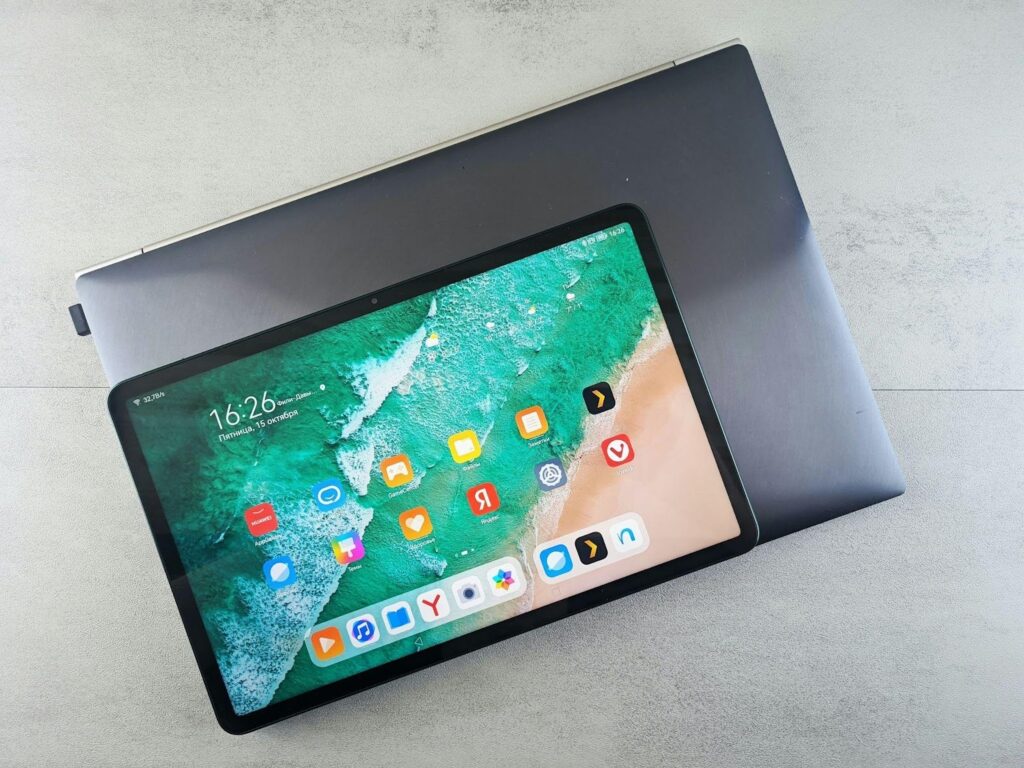
OLED feels different the moment the screen lights up. Colors appear richer, dark scenes look more dramatic, and the picture gains sharpness. Many people notice the improvement before understanding the tech behind it. Pixel-level control creates a cleaner, more vivid display across phones, TVs, laptops, and tablets.
What OLED Actually Is
The term “OLED” stands for organic light-emitting diode, a technology that allows each pixel to produce its own light. This design gives the screen precise control over brightness and color, while LCD panels rely on a backlight that reduces depth and accuracy.
The improvement shows up immediately. Brightness shifts look smoother, details become clearer, and the image gains a more natural balance. Open a bold app or a colorful title, such as the ganesha fortune casino game, and the difference becomes clear through richer tones and a more natural glow.
The Visual Benefits You Notice
A self-lit pixel structure reshapes how images feel on the screen, with sharper definition and clearer separation between light and dark areas. The effect stays clear across different types of content, so every screen activity feels more defined and consistent.
Deeper Blacks
Pixels that switch off fully create true black levels and stronger contrast. Depth increases, glare reduces, and details stand out more clearly. With no backlight pushing through, dark regions stay solid rather than washed out, which produces a more cinematic result.
Better Contrast and Color Accuracy
Individual pixel control strengthens contrast and preserves clarity in bright and dim areas alike. Colors remain clean without bleeding into shadows, even at low brightness. This accuracy benefits photo viewing, mixed-light scenes, and interfaces with subtle shading because the panel produces color directly instead of filtering it through layers.
Improved Viewing Angles
LCD screens often lose tone or brightness at an angle, but self-lit pixels maintain consistency across wider positions. Groups view content without distortion, and laptops or tablets stay clear when adjusted for comfort. This stability helps in bright settings where people shift the device to reduce reflections.
The Practical Benefits You Feel
OLED brings practical advantages that people notice even before paying attention to color or contrast:
- Slimmer profiles: This technology removes bulky backlight layers, so devices gain sleeker shapes and lighter builds.
- Better battery use with dark content: Pixels that display black consume little power, so dark interfaces tend to extend battery life.
- Fast response: Pixel-level lighting improves motion handling, which reduces blur in games, sports, or fast-scrolling screens.
- Higher perceived sharpness: Precise pixel control creates crisp edges and cleaner text even without increasing resolution.
- More comfortable night use: True blacks reduce halo effects and keep eyes relaxed during nighttime reading or streaming.
These improvements add up to a display that feels more refined in everyday situations, not just during movies or gaming sessions.
Why OLED Suddenly Appears Everywhere

High-end devices once dominated access to self-lit panels, but large-scale manufacturing lowered costs and improved efficiency. Growing demand from smartphone makers pushed suppliers to expand capacity and refine processes.
As yields rose and reliability improved, the technology moved into mid-range models and shifted from a premium feature to a common expectation. Brands now treat it as the default choice for strong visual performance across consumer electronics.
The Limitations to Know
OLED performs remarkably well. However, a few realities help shape expectations.
Brightness Differences
High-end OLED panels reach impressive brightness levels, yet some budget versions fall behind LCDs in direct sunlight. The gap shrinks each year, but outdoor visibility depends heavily on panel quality.
Burn-In Explained Simply
OLED pixels age individually, so a static shape that remains in one spot for long periods may leave a faint imprint over time. Modern devices use pixel-shifting, refresh cycles, and brightness moderation to reduce risk. Normal usage rarely triggers obvious burn-in.
Higher Cost Compared to Basic LCD
Such panels remain more expensive to produce than entry-level LCD screens. The price gap keeps LCD alive in budget devices, although falling OLED costs narrow the divide each year.
How OLED Compares to Newer Technologies
Mini-LED improves LCD contrast by adding more precise backlight zones, but it still cannot match OLED’s pixel-level control. MicroLED promises the best blend of brightness, longevity, and contrast because each pixel emits light independently, yet it remains far too expensive for everyday products. At this stage, OLED stands out as the most capable blend of performance and wide adoption.