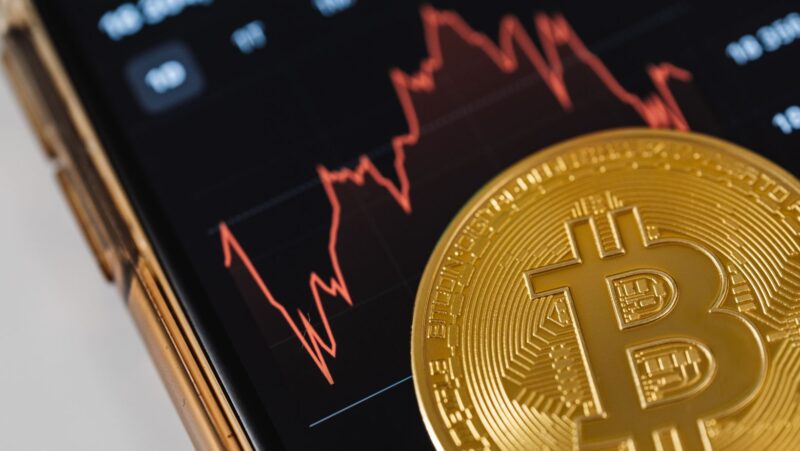
In the rapidly evolving digital asset industry, tracking your cryptocurrency holdings has changed from optional best practice into essential financial discipline. With cyber threats proliferating and regulatory frameworks tightening globally, both individual investors and institutional players must implement proactive monitoring strategies. Whether managing a Bitcoin wallet for personal savings or overseeing diversified crypto portfolios,consistent oversight prevents fraud, allows for informed decisions, and protects long-term value in volatile markets.
- Why Monitoring Matters in Crypto Finance
Continuous transaction tracking serves multiple critical functions in cryptocurrency management. Detecting suspicious activity early, such as unusual withdrawal patterns, unauthorized access attempts, or unexpected transfers, allows rapid response before significant losses occur. According toKYCHub’s analysis of crypto transaction monitoring, regulatory compliance demands that holders show legitimate fund origins and transaction purposes. Anti-money laundering (AML) regulations now apply to cryptocurrency transactions in many jurisdictions, requiring documentation of large transfers and proof of ownership. Besides compliance, monitoring maintains ecosystem integrity by discouraging illicit use and building trust that supports broader adoption. For investors, tracking provides clarity on portfolio performance, tax obligations, and strategic opportunities that arise from market movements.
- Security Risks of Unmanaged Wallets
Cryptocurrency wallets left unmonitored become prime targets for cybercriminals employing sophisticated attack methods. Phishing schemes trick users into revealing private keys through fake websites or emails impersonating legitimate services. Malware infects devices to capture credentials or automatically drain funds when users access wallets. Understanding different wallet types and their vulnerabilities proves essential for asset protection. Hot wallets connected to the internet offer convenience but face constant exposure to remote attacks. Cold wallets stored offline provide better securitybut need careful physical protection and backup procedures.Without regular monitoring, users may not notice unauthorized access until funds have vanished, which is often irreversible given cryptocurrency’s pseudonymous nature and lack of traditional fraud protections.

- Best Practices for Tracking Your Portfolio
Effective monitoring begins with consolidating all holdings into centralized tracking systems that provide unified visibility across multiple wallets and exchanges. Setting price alerts, balance change notifications, and unusual activity warnings enables prompt responses concerning developments. According toStar Compliance guidance, compliance teams should prepare for evolving crypto regulations through systematic monitoring protocols. Analytics tools help identify patterns, assess risk exposure, and guide rebalancing decisions based on performance metrics. Regular portfolio reviews, like weekly for active traders and monthly for long-term holders, maintain awareness of asset allocation, unrealized gains or losses, and changing market conditions that might warrant strategic adjustments.
- Tools to Monitor Crypto Investments
Modern portfolio management platforms offer comprehensive solutions beyond simple balance tracking. Services like Blockpit, Koinly, and CoinTracker provide real-time valuations across multiple cryptocurrencies, automated tax reporting that calculates gains and losses according to local regulations, and integration with numerous wallets and exchanges for complete visibility. These tools prove valuable for professional investors managing complex portfolios spanning various platforms, with features including historical performance analysis, cost basis tracking for tax optimization, and API connections enabling automatic synchronization.
Consistent crypto fund monitoring protects assets, guarantees regulatory compliance, and supports strategic decision-making in an inherently volatile and rapidly evolving investment landscape where vigilance directly correlates with long-term success.