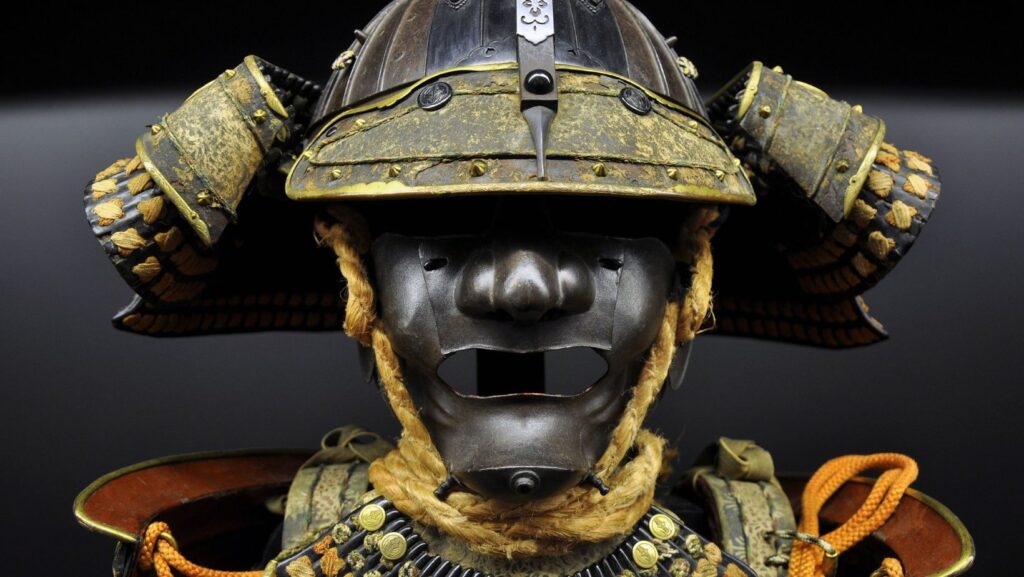
Samurai armor is renowned for its intricate design, resilience, and elegance, showcasing the craftsmanship and artistry of skilled armorers. Each suit of armor, or yoroi, was meticulously crafted to protect the samurai while allowing for movement and expressing their identity. Every piece of the armor had a specific function, from the kabuto (helmet) to the kote, which were armored sleeves that covered and protected the arms. Let’s explore the materials, techniques, and craftsmanship behind samurai armor, revealing how each piece was made to serve both practical and symbolic purposes.
The Craft of Samurai Armor-Making
Creating samurai armor was a specialized craft, passed down through generations of artisans known as katchu-shi. These armorers were experts in various techniques, including metalworking, leatherwork, and textile arts, and each suit of armor could take weeks or months to complete. Samurai armor was a blend of artistry and engineering, balancing protection with beauty to reflect the cultural values and warrior spirit of the samurai class.
Each piece of samurai armor was unique, tailored to fit the samurai’s needs, status, and personal style. The result was armor that offered both functionality and a striking appearance, showcasing the wearer’s heritage and rank.
Materials Used in Samurai Armor
The primary materials used in samurai armor were iron, leather, and silk, each selected for their strength, flexibility, and aesthetic qualities. The artisans used these materials in various ways, adapting their techniques to achieve the desired balance of protection, mobility, and elegance.
1. Iron
Iron was used extensively in samurai armor, particularly in the protective plates for the chest, helmet, and other vulnerable areas. The iron plates were hammered thin and layered in scales or solid sections, providing a strong barrier against swords and arrows. Once shaped, the iron was coated in lacquer to protect it from rust, a crucial step given Japan’s humid climate.
2. Leather
Leather was used in combination with iron to increase flexibility without sacrificing durability. Leather plates were typically treated with lacquer to harden them, offering extra resistance against cuts and slashes. In areas where flexibility was essential, such as in the kote (armored sleeves) and haidate (thigh guards), leather provided protection while allowing the samurai to move freely.
3. Silk and Cotton
Silk was primarily used for lacing, known as odoshi, which tied the armor pieces together. The silk cords provided flexibility and durability, allowing the armor to move with the wearer’s body. Cotton was also used as padding beneath the armor, providing added comfort and absorbing the impact of strikes.
Components of Samurai Armor
Each part of samurai armor was crafted to serve a specific purpose, protecting different parts of the body while allowing for agility. Here’s a closer look at the main components:
1. Kabuto (Helmet)
The kabuto, or helmet, protected the head and was often the most elaborate piece of the armor, symbolizing the samurai’s rank and family. Made from multiple iron plates riveted together, the kabuto typically featured a neck guard (shikoro) for additional protection. Many helmets also included decorative crests (maedate), representing the samurai’s family or clan.
2. Do (Chest Armor)
The do was the main body armor that protected the torso. It was made from large iron or leather plates that covered the chest and back.
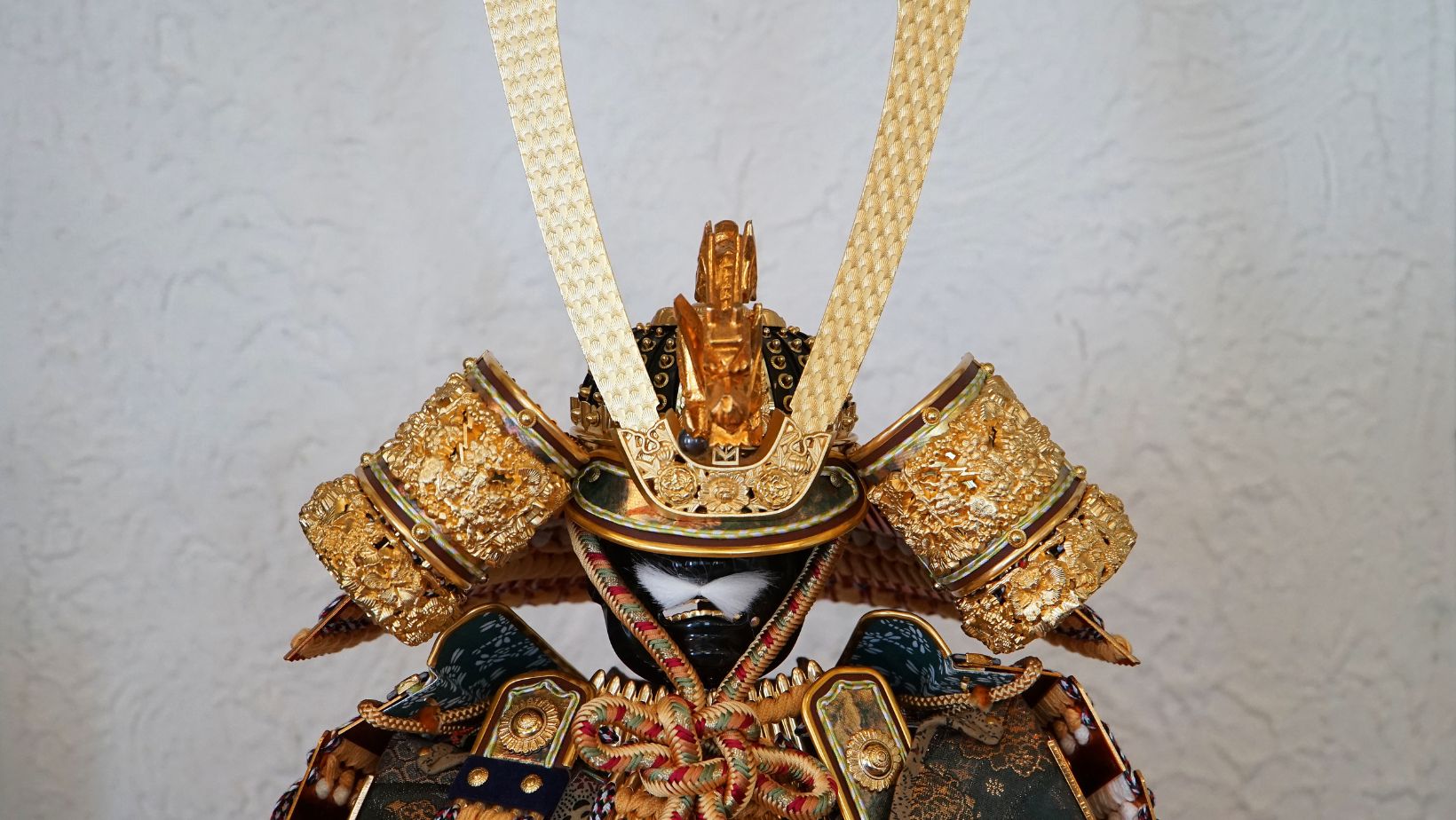
The do was often decorated with family crests or designs, showcasing the samurai’s heritage and social rank.
3. Kote (Armored Sleeves)
The kote were protective sleeves designed to shield the arms from wrist to shoulder. Each kote was made from small iron plates or chain mail sewn onto fabric, providing a balance of protection and flexibility. Unlike the larger shoulder guards (sode), the kote focused on protecting the forearms and upper arms, making them essential for close combat. Kote often included padding and leather reinforcements to increase comfort and durability.
4. Sode (Shoulder Guards)
The sode were large, rectangular shoulder guards that protected the upper arms and shoulders. Attached to the chest armor with cords, the sode allowed the samurai to move freely while defending the shoulders from sword strikes. The sode was often elaborately decorated with colorful lacing, adding elegance to the armor.
5. Haidate (Thigh Guards) and Kusazuri (Hanging Thigh Protectors)
The haidate protected the thighs, while kusazuri were plates that hung from the bottom of the chest armor, covering the upper legs and hips. These pieces offered protection for the lower body while allowing the samurai to maneuver easily.
Techniques Used in Armor Crafting
The process of making samurai armor required several specialized techniques to ensure the armor was both durable and beautiful. Some of the key techniques included:
1. Lacquering
Lacquer was applied to iron and leather plates to protect them from rust and moisture, while also adding a glossy, decorative finish. The lacquer could be colored in black, red, or even gold, adding a striking appearance to the armor. Lacquering was done in multiple layers to create a durable coating that would stand up to the elements.
2. Forging and Riveting
Iron plates were carefully hammered and shaped by hand, then riveted together to form protective layers. The process of forging and riveting was labor-intensive, as the armorers had to ensure each plate was shaped precisely to provide optimal protection.
3. Lacing with Silk Cords (Odoshi)
The silk lacing, or odoshi, held the armor together while adding a decorative touch. Armorers used intricate lacing patterns and color combinations to create designs that were both functional and beautiful. For example, patterns like kasane-odoshi layered colors in shades that created a gradient effect. Lacing was especially visible on the sode, haidate, and kote, contributing to the armor’s unique look.
4. Decorative Embroidery and Inlay
High-ranking samurai often had armor adorned with embroidered family crests or inlays of gold and silver. These details added luxury and highlighted the samurai’s social rank, particularly on the chest armor and helmet.
The Functional Beauty of Kote (Armored Sleeves)
The kote showcased the balance between protection and mobility in samurai armor. Covering the arms, from shoulder to wrist, the kote protected the samurai’s limbs in close combat while allowing for flexibility. Made from layers of small iron plates or chain mail sewn onto fabric, the kote provided defense without hindering movement.
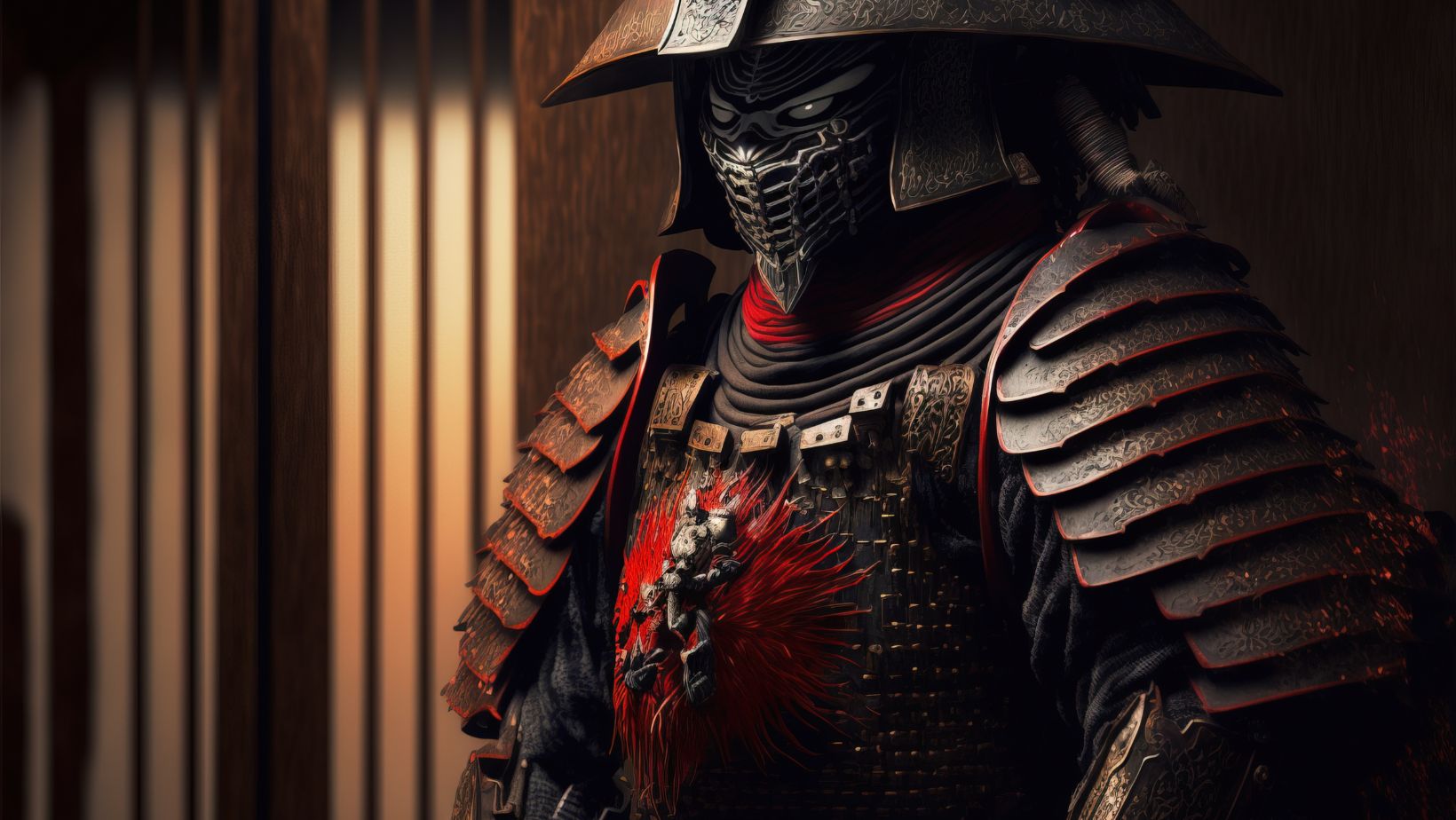
The design of the kote also allowed armorers to incorporate artistic elements, with silk lacing, colored fabric, and embroidered patterns enhancing the visual appeal. The armored sleeves demonstrated the care armorers took in crafting each part of the suit, making even functional pieces like the kote a blend of practicality and artistry.
The Legacy of Samurai Armor Craftsmanship
Today, samurai armor stands as a testament to the incredible skill and artistry of the katchu-shi. Many original pieces have been preserved in museums, where people can appreciate the craftsmanship that went into each detail, from the forged iron plates to the carefully laced silk cords. The enduring appeal of samurai armor lies in its blend of strength, elegance, and cultural symbolism, capturing the essence of Japan’s warrior heritage.
The process of making samurai armor required patience, skill, and dedication, with each piece representing not only the individual samurai’s identity but also the artistry of the armorers who crafted it. From the protective kote to the impressive kabuto, samurai armor reflects a unique cultural legacy that continues to inspire admiration and respect worldwide.
Conclusion
Samurai armor, including components like kote for arm protection, was crafted with remarkable skill, blending materials and techniques to create armor that was both effective and elegant. Each piece of armor served a purpose, offering protection while also reflecting the values, status, and identity of the samurai. The craftsmanship behind samurai armor stands as a testament to the dedication and expertise of the katchu-shi, whose work has left a lasting legacy in Japanese history and culture.