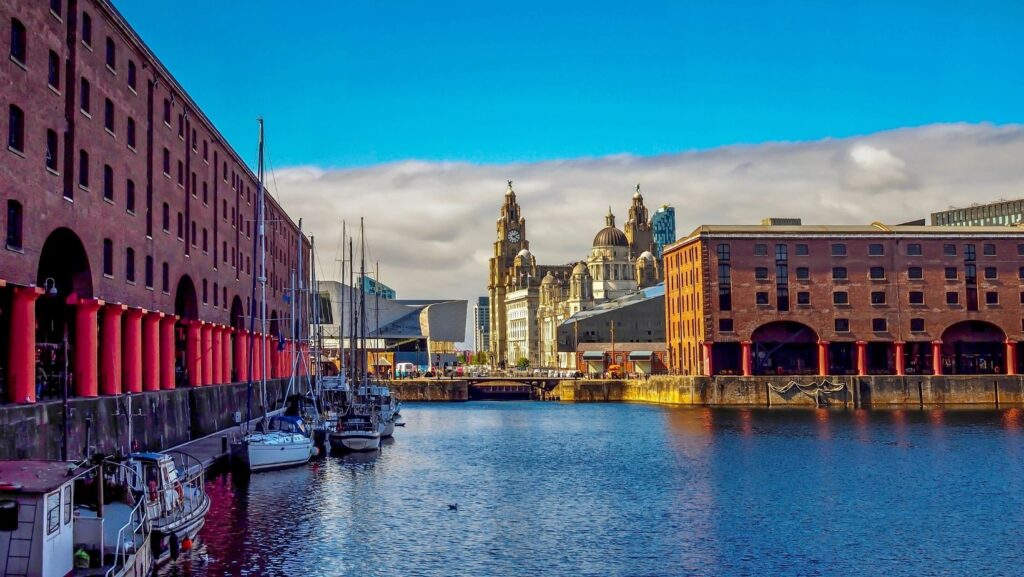
Liverpool, a city steeped in rich history and vibrant culture, has long been a focal point for property investment. With its diverse neighbourhoods, each offering unique characteristics, the city presents a myriad of opportunities for savvy investors. However, identifying which areas are on the brink of becoming the next investment hotspots can be challenging. Here are five signs to look out for that indicate a Liverpool neighbourhood is poised for growth.
- Infrastructure Developments
One of the most significant indicators of a neighbourhood’s potential is the level of infrastructure development taking place. This can include new transport links, schools, hospitals, and recreational facilities. For instance, the ongoing expansion of Liverpool’s transport network, including the new rail links and improvements to existing roads, can significantly enhance accessibility and attract new residents.
When a neighbourhood sees substantial investment in infrastructure, it often leads to increased property values. Investors should keep an eye on areas where local councils are announcing plans for development. These projects can create a ripple effect, making the area more desirable and leading to a surge in property demand.
For those looking for affordable buy-in opportunities in Liverpool, areas undergoing infrastructure improvements can be particularly appealing. As the neighbourhood becomes more accessible, property prices are likely to rise, providing a solid return on investment.
- Rising Rental Demand
Another key sign that a neighbourhood is on the verge of becoming an investment hotspot is a noticeable increase in rental demand. This can be driven by various factors, including an influx of young professionals, students, or families seeking affordable housing options.
In Liverpool, certain areas have seen a surge in demand for rental properties, particularly those close to universities or major employment hubs. For example, neighbourhoods like Baltic Triangle and Kensington have become increasingly popular among young professionals due to their vibrant atmosphere and proximity to the city centre.

Investors should monitor rental yields in these areas. A rising rental demand often correlates with increasing property values, making it a prime time to invest. Additionally, a strong rental market can provide a steady income stream, making these neighbourhoods even more attractive.
- Gentrification Trends
Gentrification is a process that can significantly alter the landscape of a neighbourhood, often leading to increased property values and a shift in the demographic profile. While gentrification can be a double-edged sword, it often indicates that an area is becoming more desirable.
In Liverpool, areas like Toxteth and Anfield have experienced gentrification in recent years. As new businesses open, and existing ones thrive, the local economy strengthens, attracting more residents and investors. This transformation can lead to a rise in property prices, making it essential for investors to identify these trends early.
Investors should look for signs of gentrification, such as new cafes, restaurants, and shops opening in the area. Additionally, community initiatives aimed at improving local amenities can signal that a neighbourhood is on the rise.
- Community Engagement and Development
A strong sense of community can be a significant factor in a neighbourhood’s potential for growth. Areas with active community groups and local initiatives often see better long-term investment returns. When residents are engaged and invested in their neighbourhood, it can lead to improvements in safety, cleanliness, and overall quality of life.
In Liverpool, neighbourhoods with active community development projects, such as those focused on arts, culture, and sustainability, are often more appealing to potential buyers and renters. For example, the regeneration of the Baltic Triangle has been driven by a community-focused approach, resulting in a vibrant cultural scene that attracts both residents and visitors.
Investors should consider the level of community engagement in a neighbourhood when assessing its potential. Areas with strong community ties are often more resilient to economic downturns and can provide a stable investment environment.
- Economic Indicators
Finally, keeping an eye on broader economic indicators can provide valuable insights into a neighbourhood’s potential for growth. Factors such as employment rates, average income levels, and local business growth can all influence property values.
In Liverpool, the city has seen significant economic growth in recent years, with various sectors, including technology, healthcare, and tourism, expanding rapidly. Areas that are home to new businesses or are near emerging employment hubs are likely to experience increased demand for housing.
Investors should pay attention to local economic reports and trends. A growing economy often leads to increased property values, making it an opportune time to invest in neighbourhoods that are benefiting from this growth.
Conclusion
Identifying the next investment hotspot in Liverpool requires a keen eye for detail and an understanding of the various factors that contribute to a neighbourhood’s growth potential. By monitoring infrastructure developments, rental demand, gentrification trends, community engagement, and economic indicators, investors can make informed decisions about where to invest.
Liverpool’s diverse neighbourhoods offer a wealth of opportunities for those looking to enter the property market. With affordable buy-in opportunities in Liverpool, now is an excellent time to explore the potential of this vibrant city. By staying informed and proactive, investors can position themselves to take advantage of the exciting developments on the horizon.